Walking with a Wilderness Mindset Collaborative Book Project
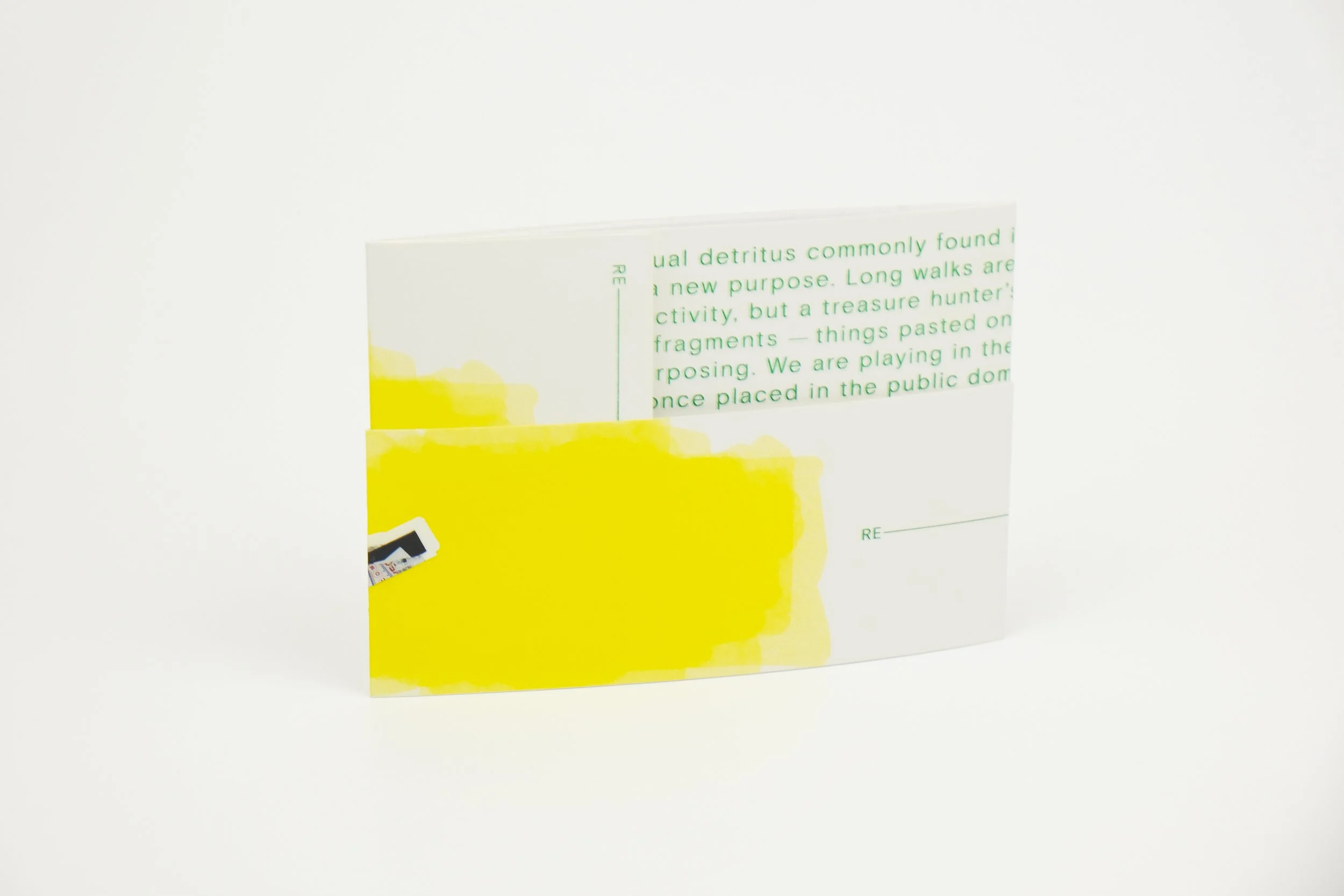
WWMC was a collaborative project initiated by Melonie Mowinski, Jen Watson, and Joseph Ostraff, exploring the role of walking in creative practice through diverse artistic perspectives. Their goal was to engage artists from various backgrounds—urban and rural, from different regions, ethnicities, and ages. There were fifteen participants.
INVITATION
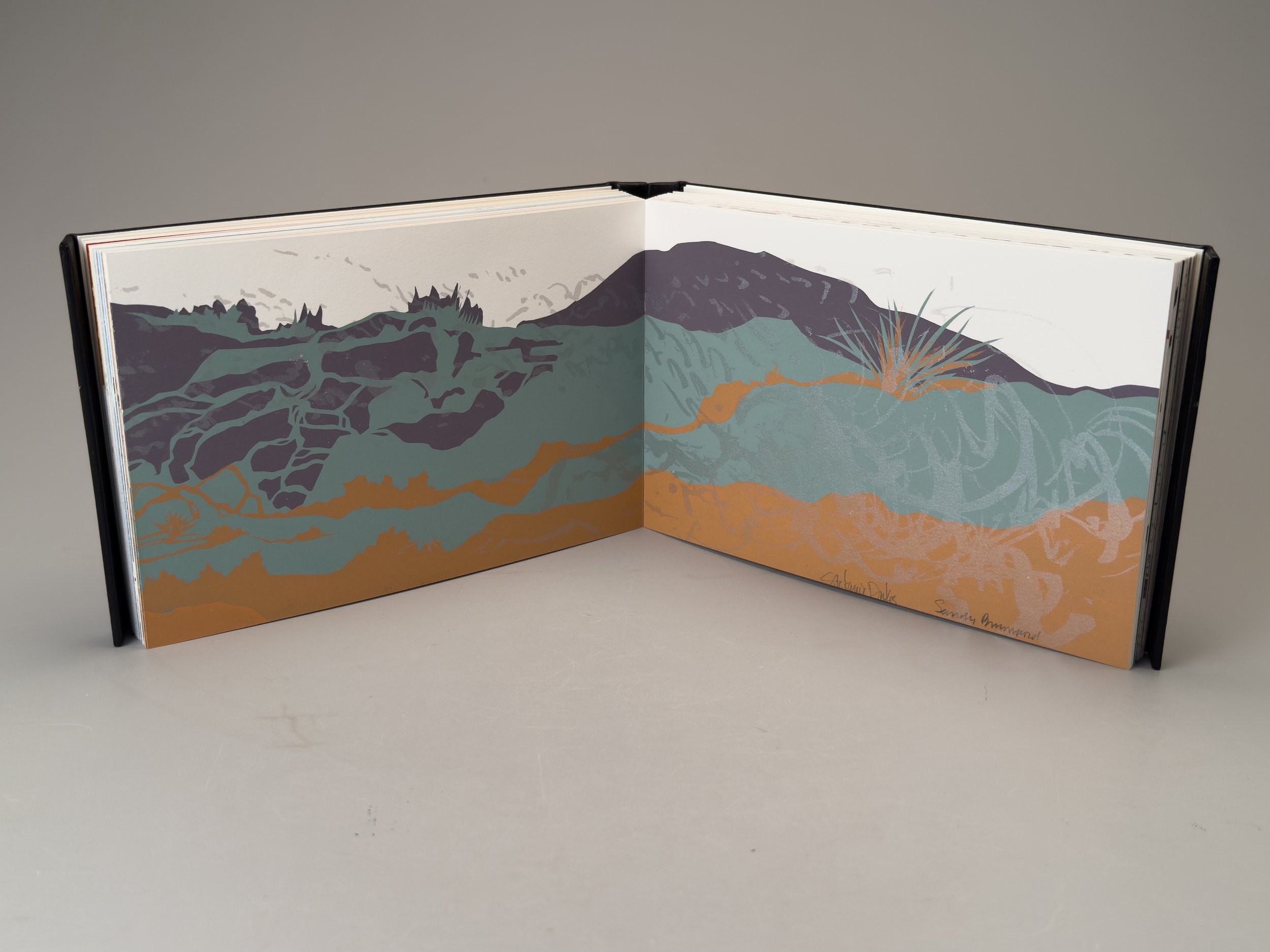
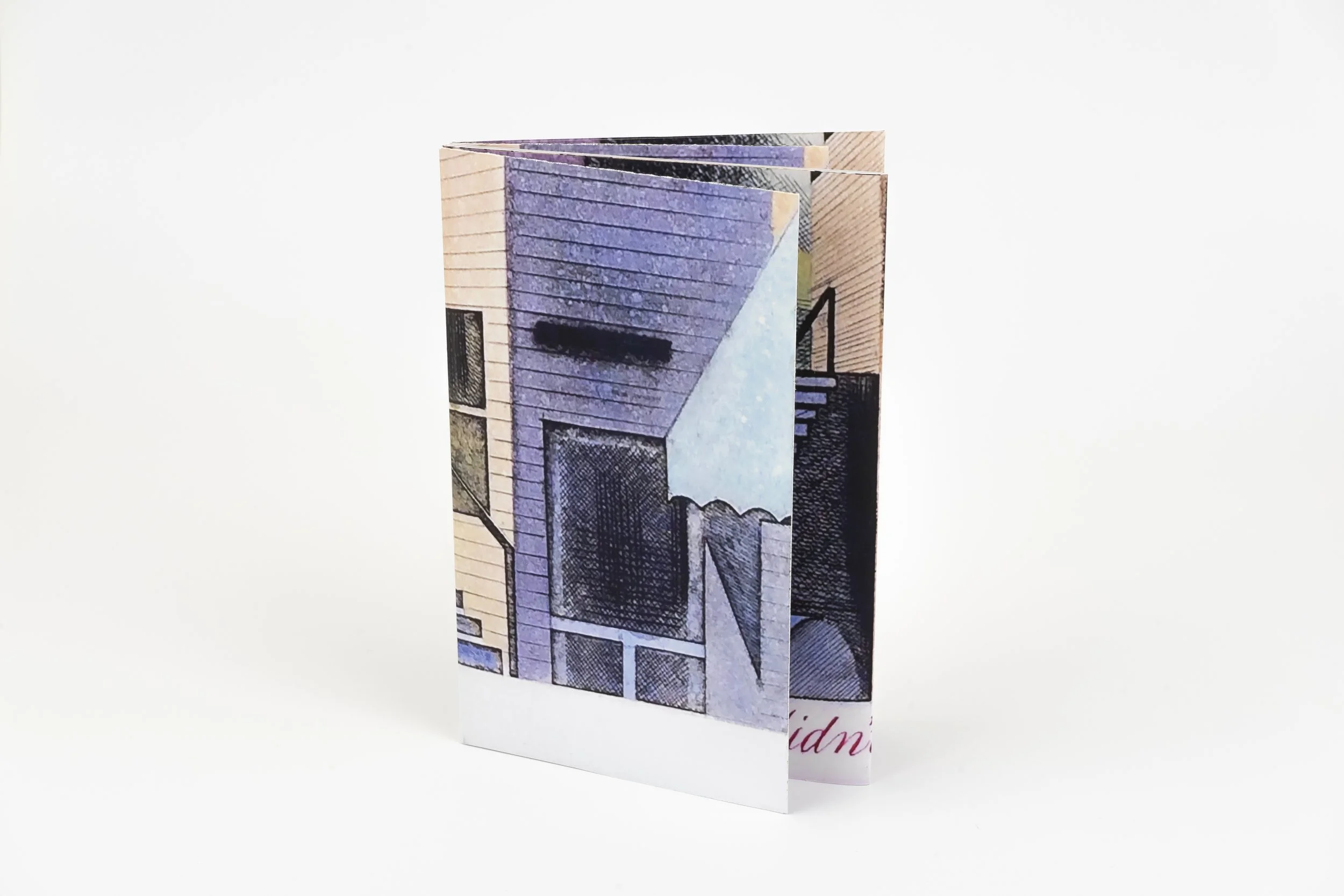
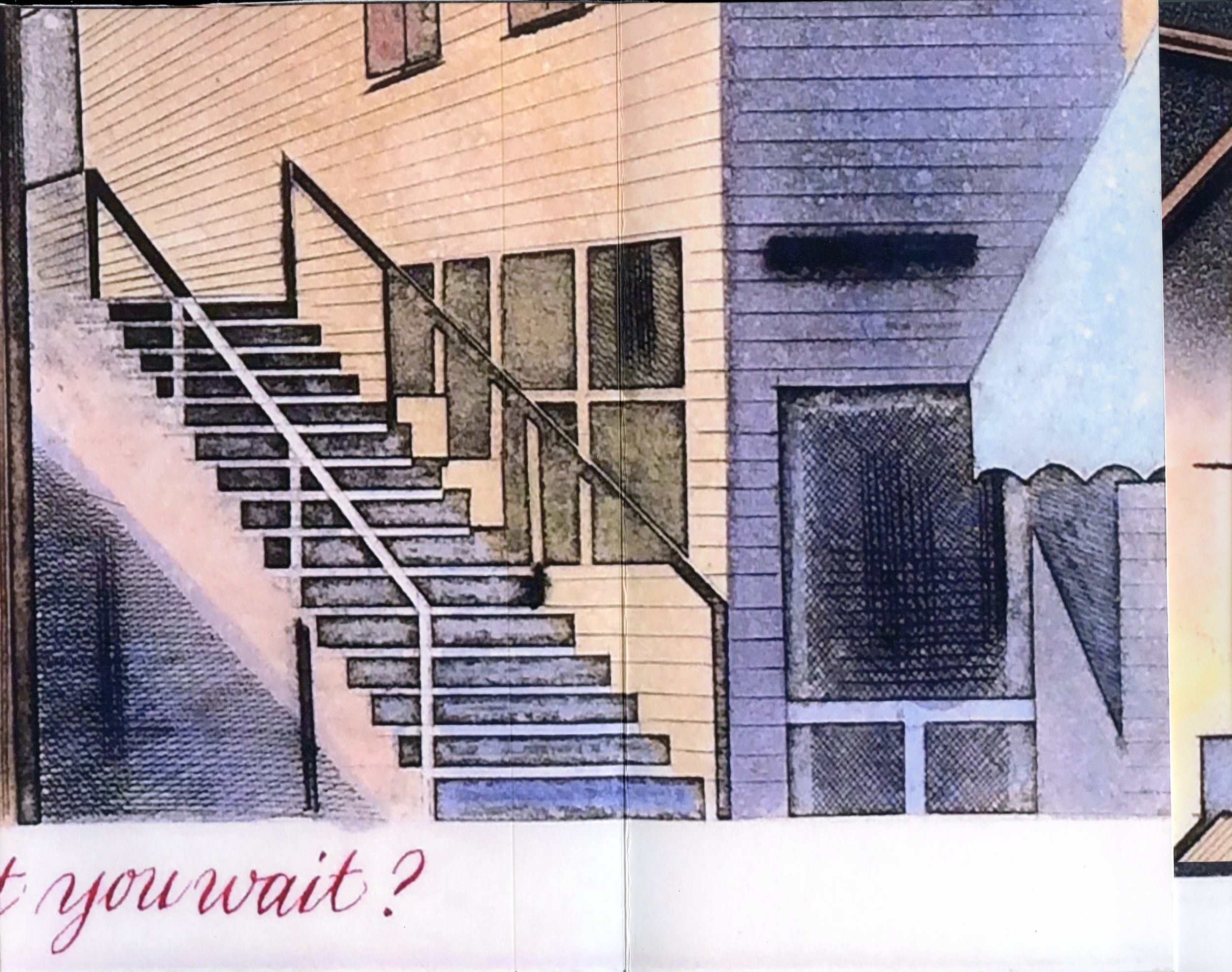
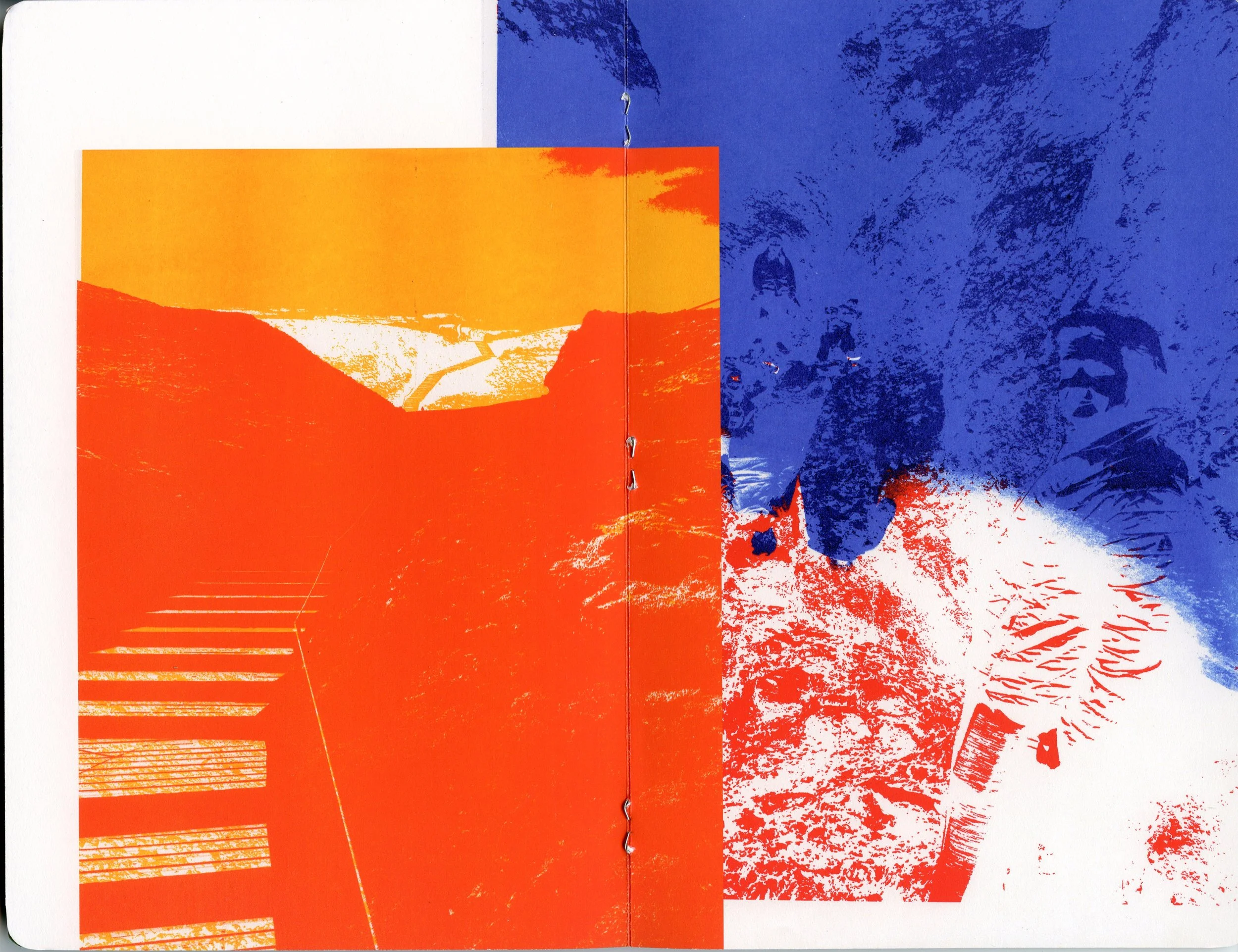
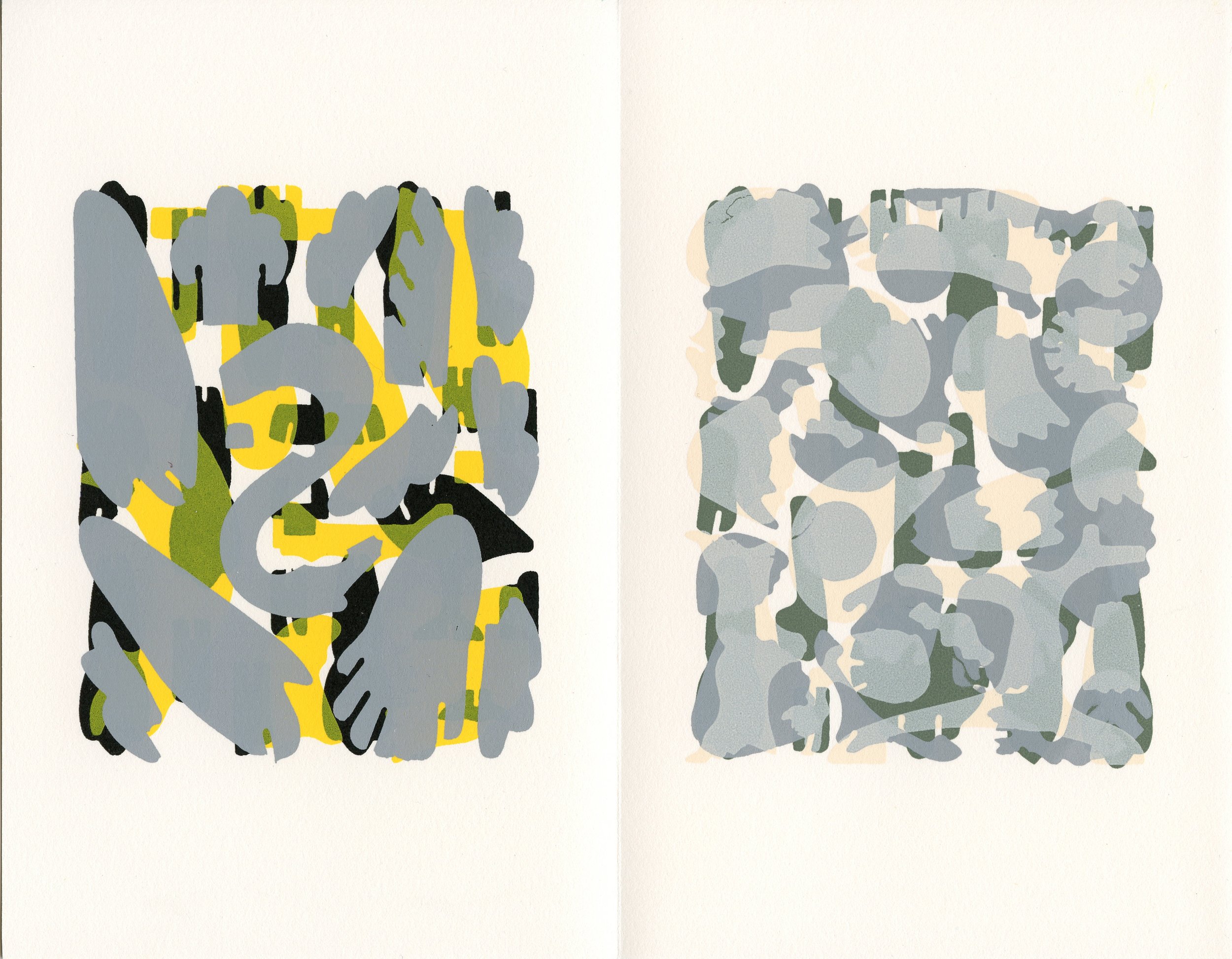
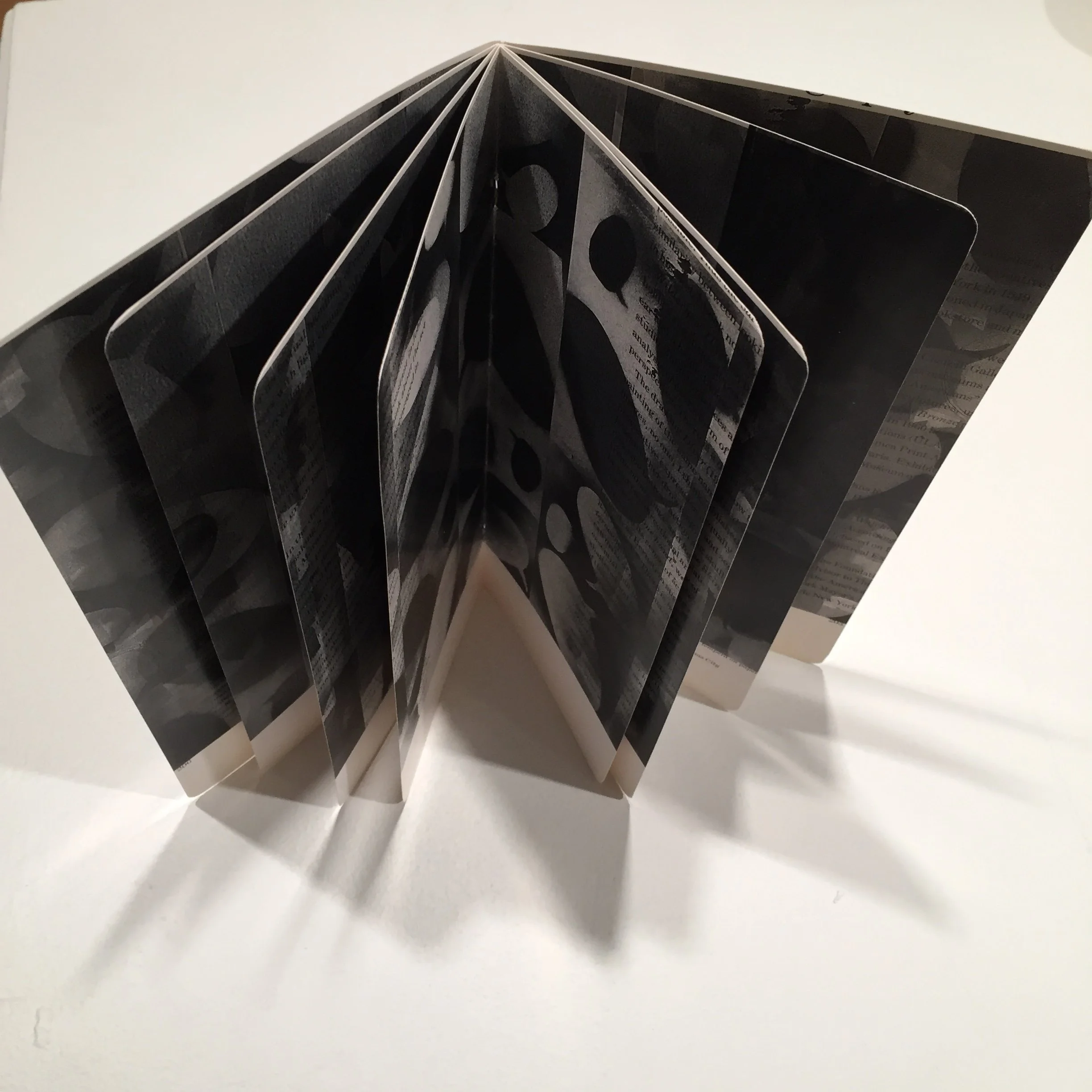
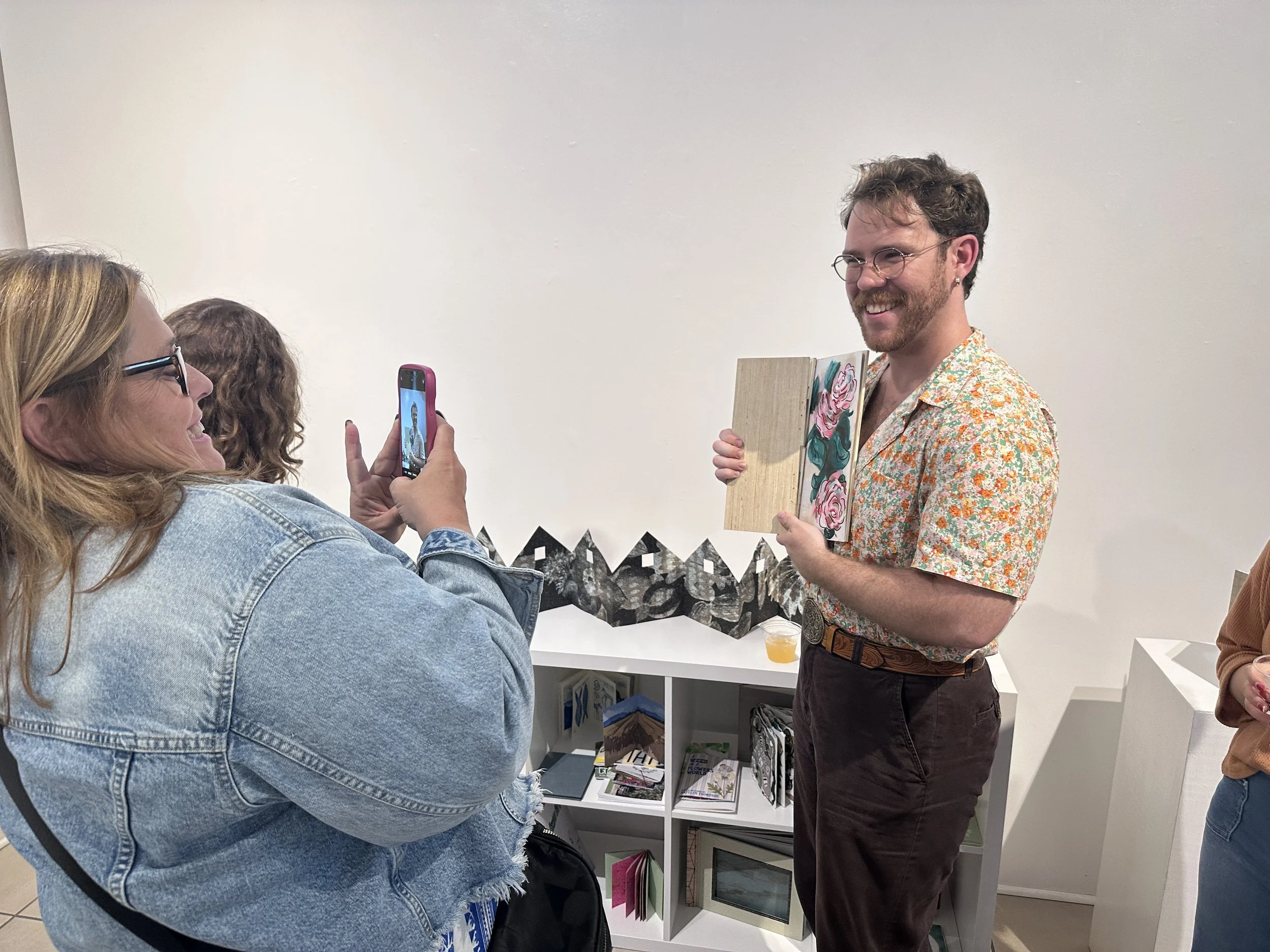
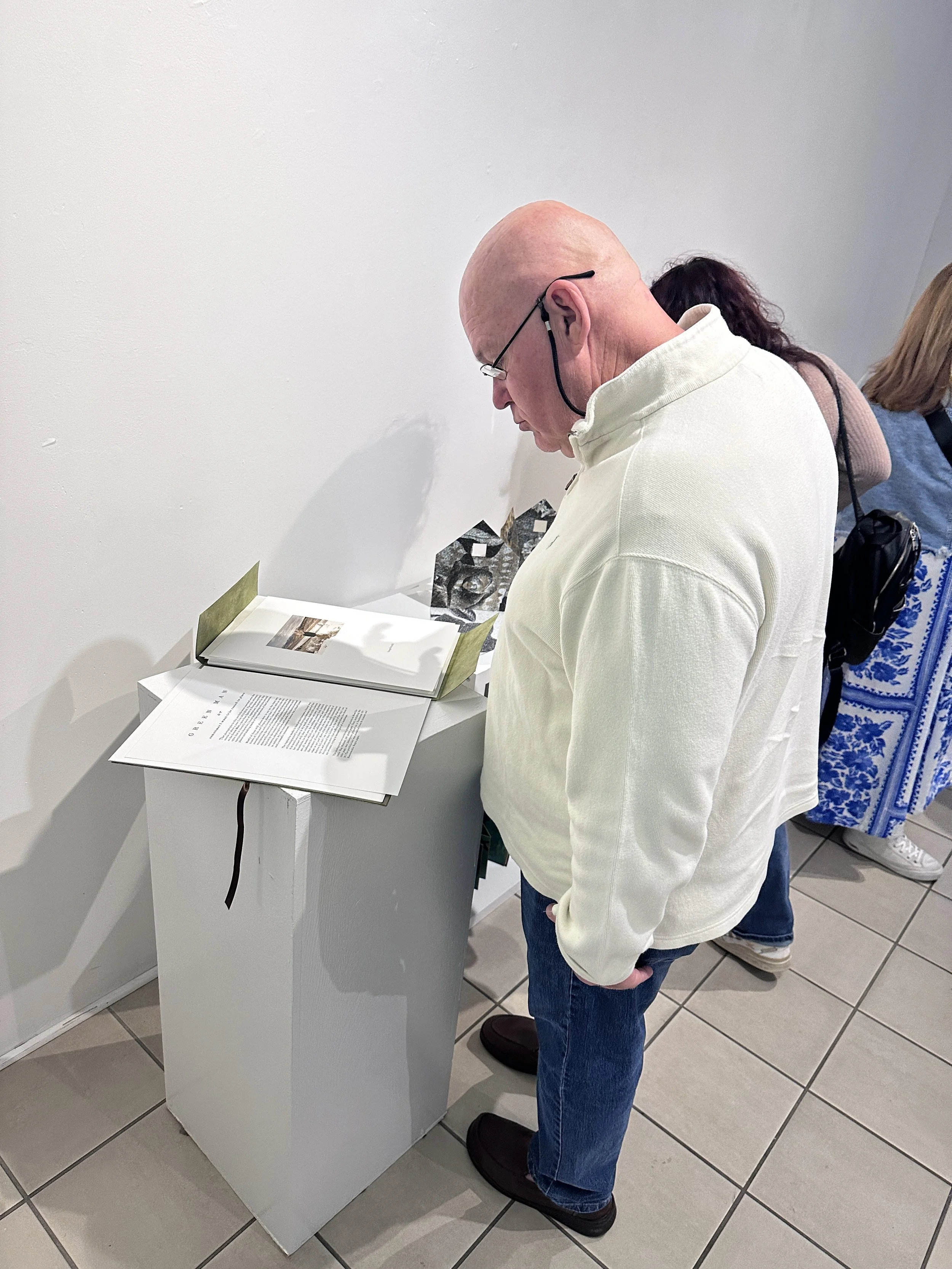
Participating artists were invited to engage in a collaborative print project inspired by the Dada Exquisite Corpse game. Traditionally, Exquisite Corpse print exchanges involve single-page prints with defined points of connection and division. This project reimagined that format by using the horizon line as a continuous link in a long accordion-fold book.
Each artist’s horizon line started and ended at the same predetermined height, but what happened in between was up to them individually.
THEME / PROMPT
Begin with a walk in a new and unfamiliar place—one that challenges you while remaining safe. It could be a night hike, an urban stroll, a rural trek, or tricky terrain. Maybe a walk alone or with others.
Take note of your thoughts and actions. Stay attuned to your senses—observe how your internal landscape shifts throughout the journey. What choices do you make? What distractions arise? Do any unexpected events occur?
Many paths lead to the same destination, each offering a different experience. Some are direct, others winding. Some avoid obstacles, while others challenge and even terrify. Walking with a wilderness mindset means embracing unpredictability—accepting that while you may feel secure on a familiar forest path, a black bear could suddenly appear. Or reality could be jolted by an unexpected encounter, like seeing someone in full 17th-century regalia emerge around a corner during Carnevale in Venice.
Participants: Sarah Maker, Melonie Mowinski, Angelique Kopacz, Lili Hall Sharp, Kelly Roe, Michael Sharp, Stephanie Dykes & Sandy Bunvard, Matther Magruder, Jennifer Barton & Gary Barton, Melinda Ostraff & Joseph Ostraff, Steven Daiber
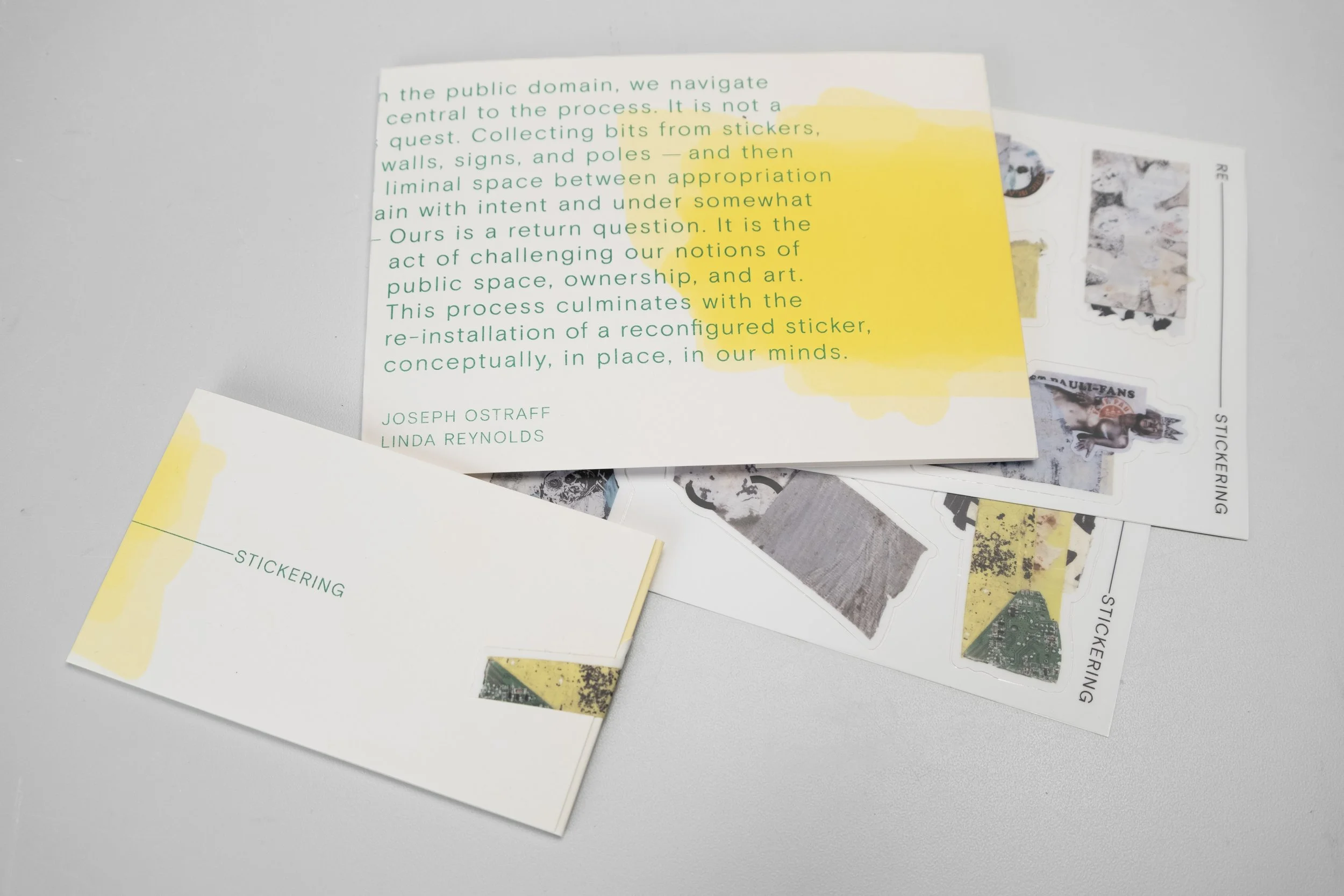
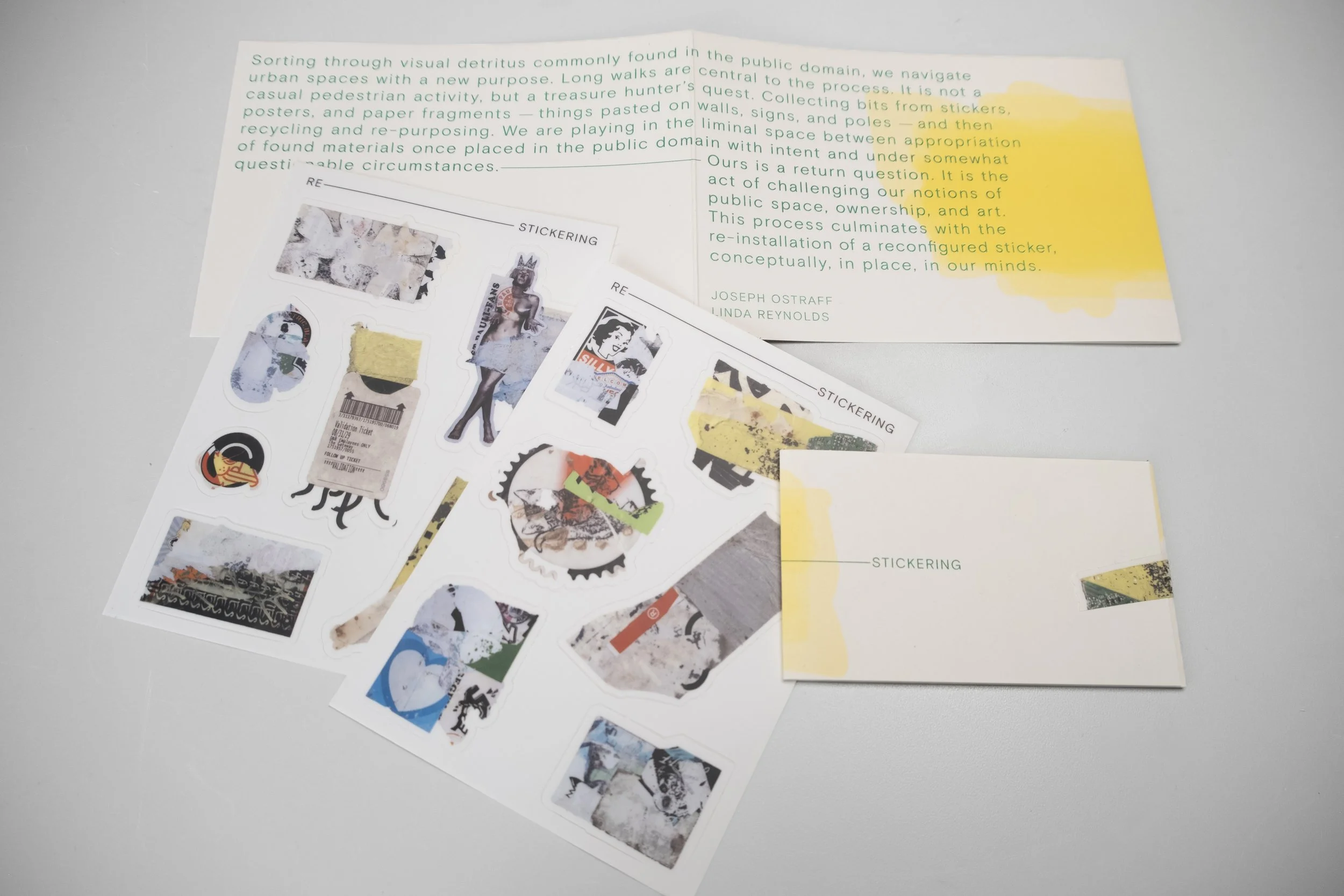
Linda Reynolds & Joseph Ostraff
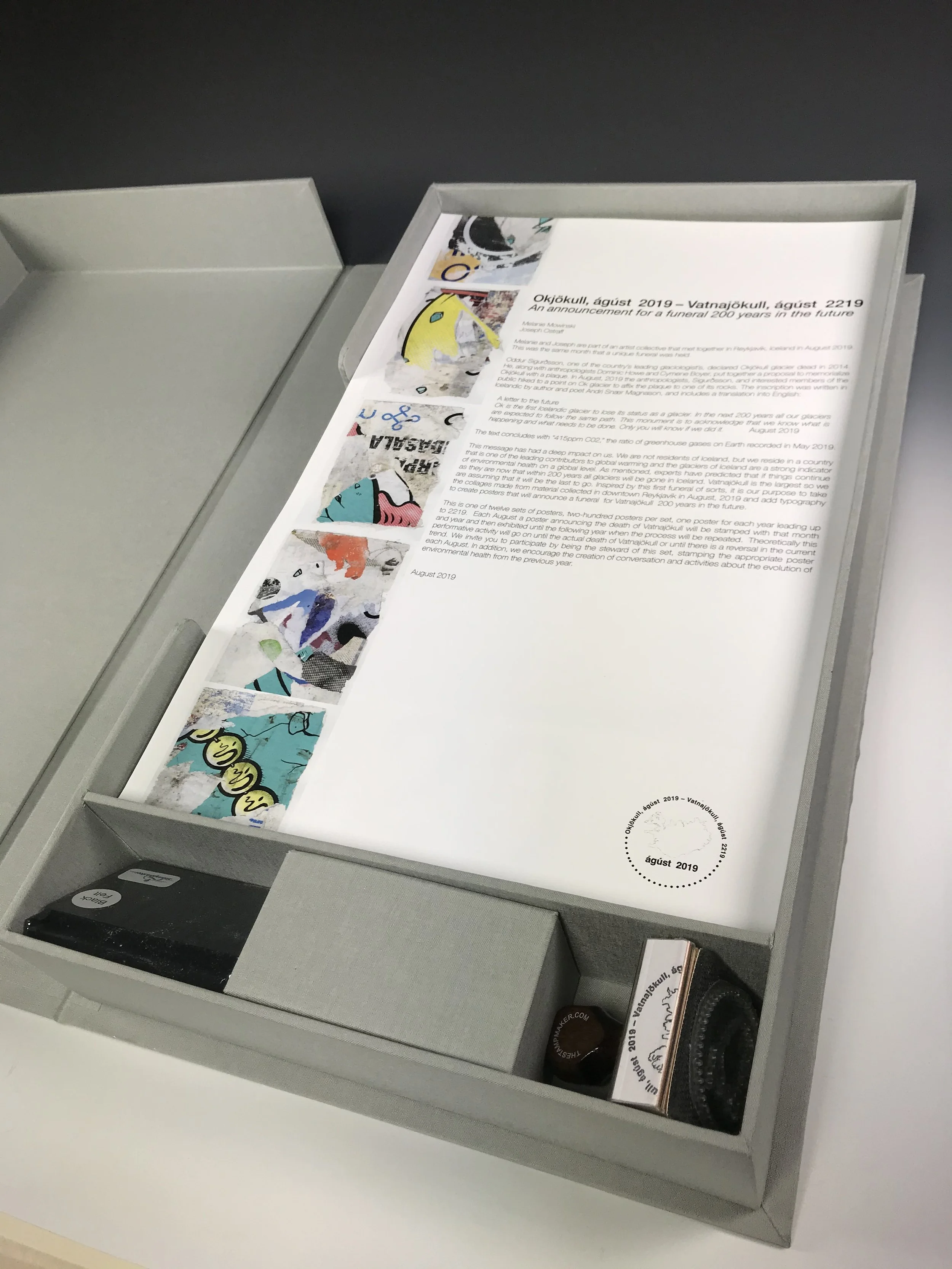
An announcement for a funeral 200 years in the future
Melonie Mowinski / Joseph Ostraff
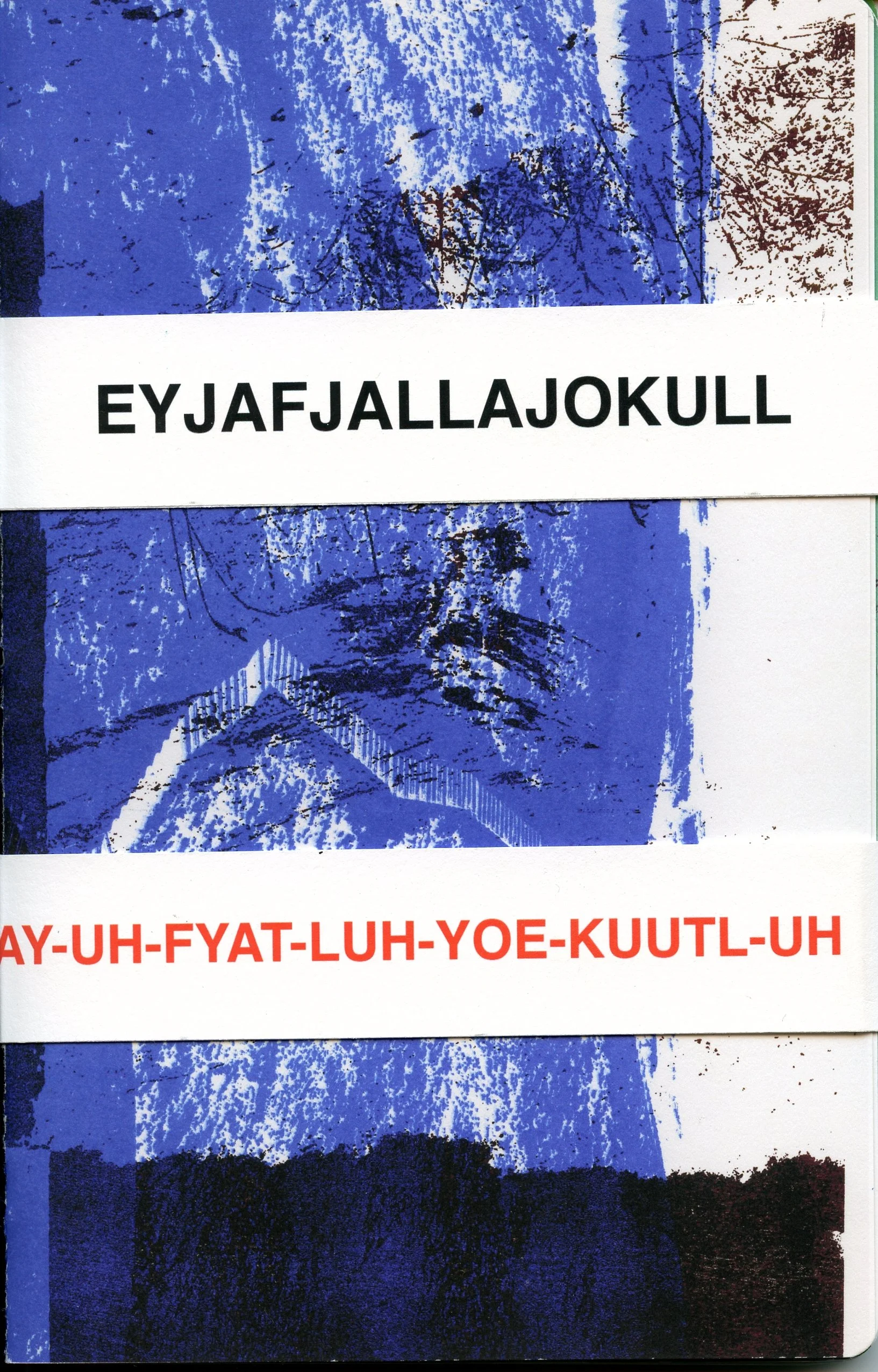
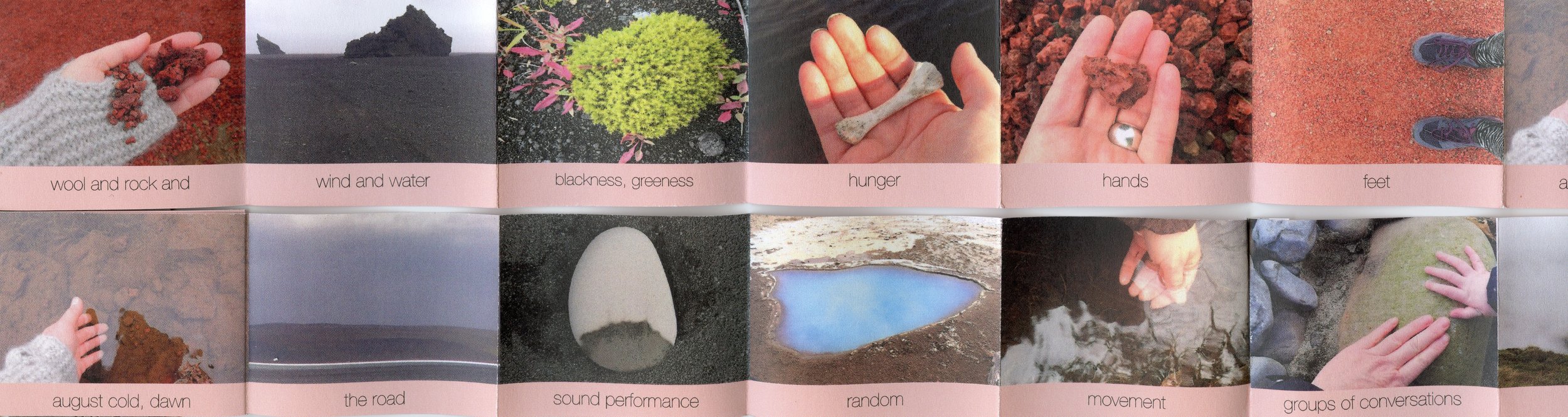
We were part of an artist collective that met together in Reykjavik, Iceland in August 2019. This was the same month that a unique funeral was held. Oddur Sigurðsson, one of Iceland’s leading glaciologists, declared Okjökull glacier dead in 2014. He, along with anthropologists Cymene Howe and Dominic Boyer, put together a proposal to memorialize Okjökull with a plaque. In August, 2019 the anthropologists, Sigurðsson, and interested members of the public hiked to a point on Ok glacier to affix the plaque to one of its rocks. The inscription was written in Icelandic by author and poet Andri Snær Magnason, and includes a translation into English:
A letter to the future
Ok is the first Icelandic glacier to lose its status as a glacier. In the next 200 years all our glaciers are expected to follow the same path. This monument is to acknowledge that we know what is happening and what needs to be done. Only you will know if we did it. August 2019
The text concludes with “415ppm C02,” the ratio of greenhouse gases on Earth recorded in May 2019.
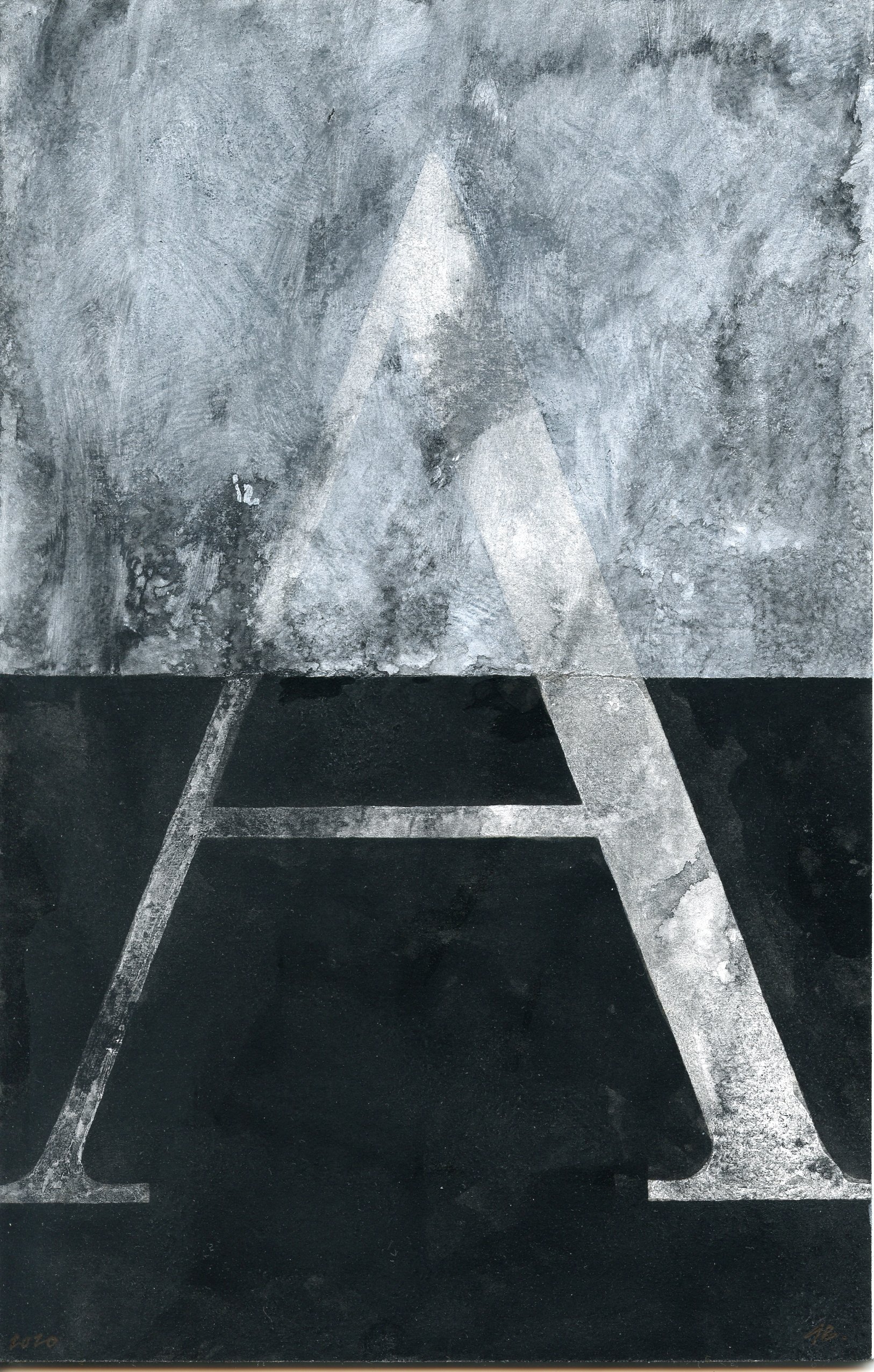
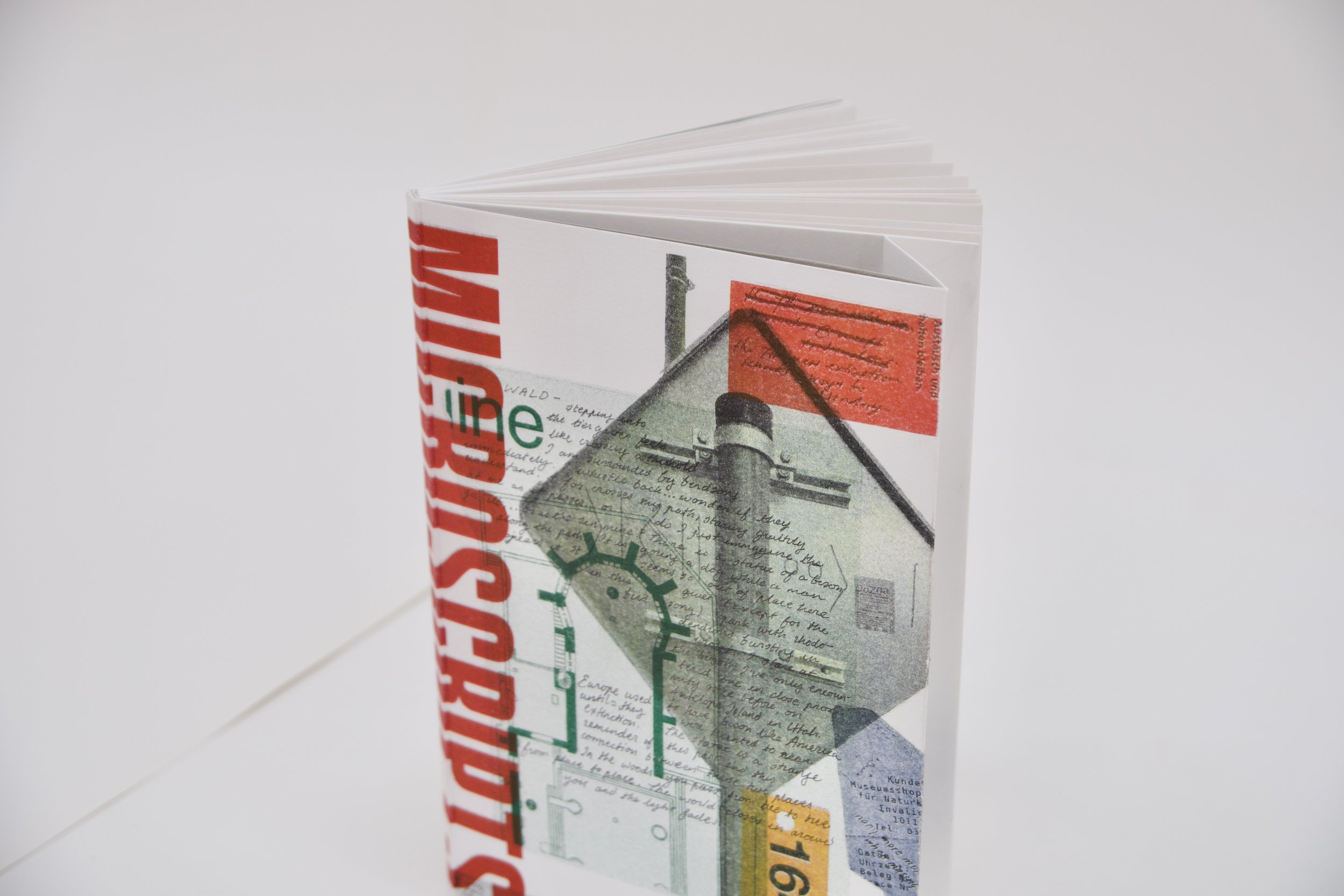
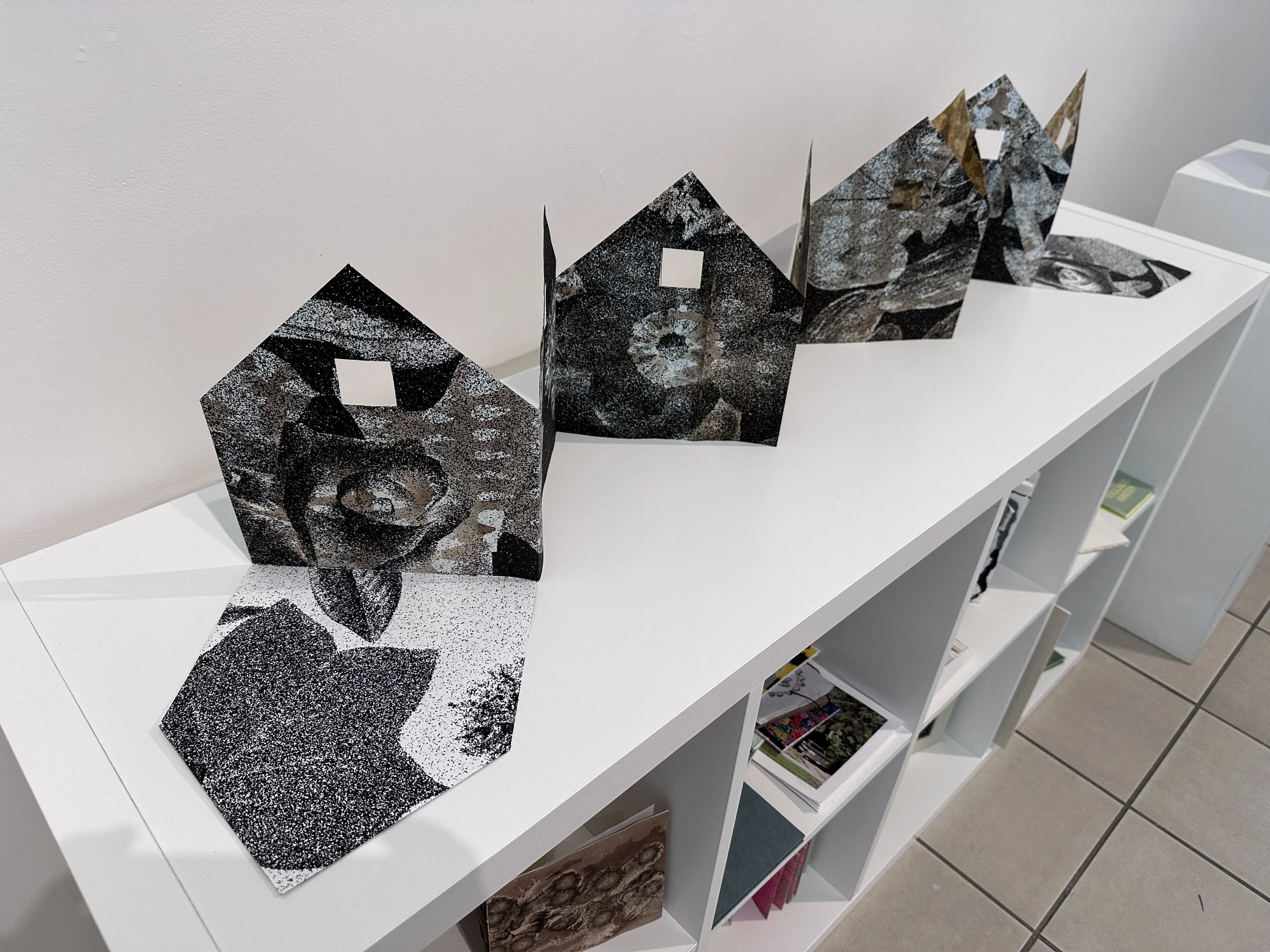
This message has had a deep impact on us. We are not residents of Iceland, but we reside in a country that is one of the leading contributors to global warming and the glaciers of Iceland are a strong indicator of environmental health on a global level. As mentioned, experts have predicted that if things continue as they are now that within 200 years all glaciers will be gone in Iceland. Vatnajökull is the largest so we are assuming that it will be the last to go. Inspired by this first funeral of sorts, it is our purpose to take the collages made from material collected in downtown Reykjavik in August, 2019 and add typography to create posters that will announce a funeral for Vatnajökull 200 years in the future.
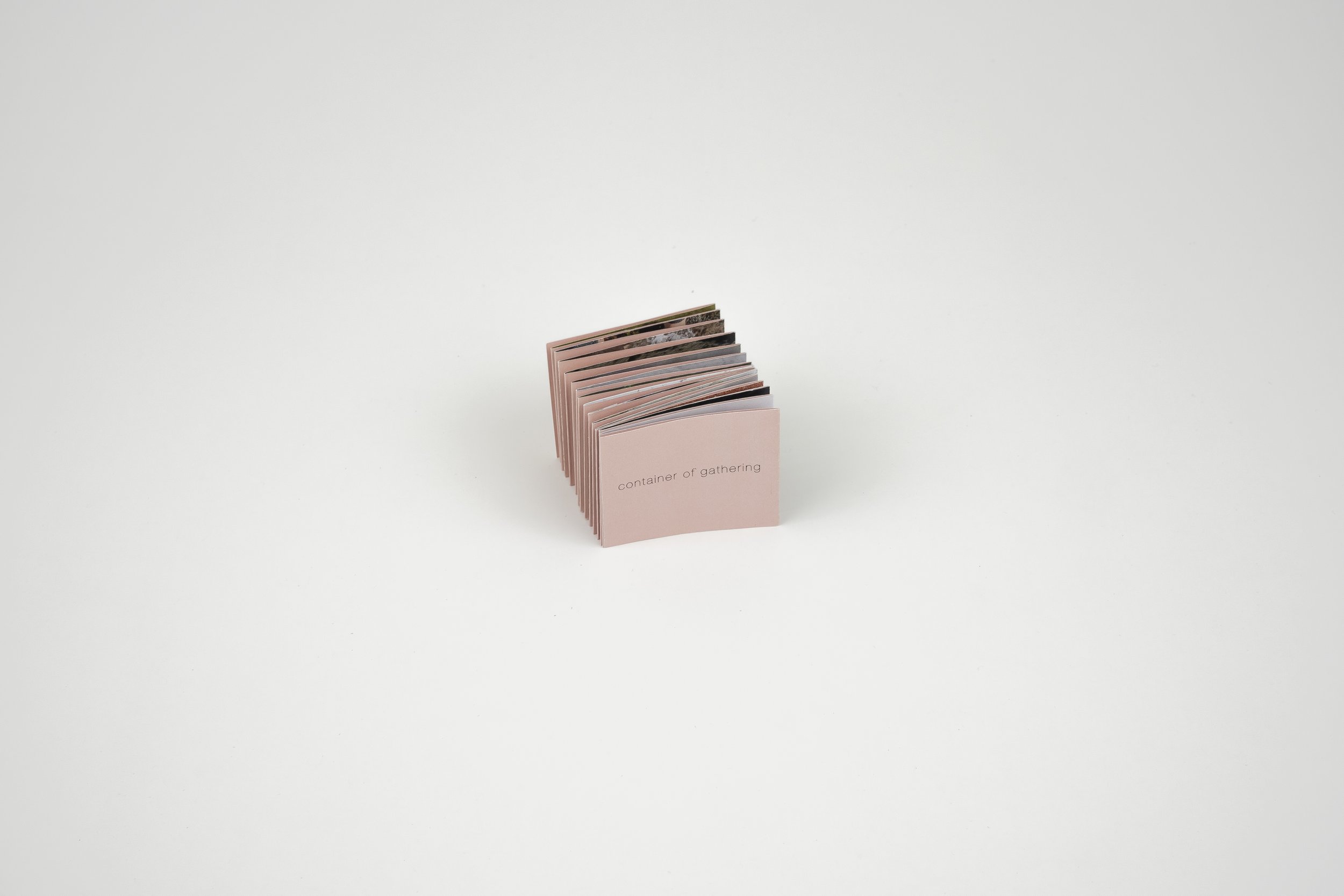
We have made twelve sets of posters, two-hundred posters per set, one poster for each year leading up to 2219. It is contained in a box forming a book of sorts. Each August a poster announcing the death of Vatnajökull will be stamped with that month and year and then exhibited until the following year when the process will be repeated. Theoretically this performative activity will go on until the actual death of Vatnajökull or until there is a reversal in the current trend.
Included in the following collections:
Robert B. Haas Family Arts Library at Yale University Library, Yale University, CT
The Peace Factory, Tel Aviv, Israel
Book Arts Collection, Cleveland Institute of Art, OH
Ballinglen Art Museum Collection, Ballycastle, Co Mayo, IRE
Special Collections, J. Willard Marriott Library, University of Utah
Special Collections, Rice University, Houston, TX
Special Collections, Baylor University, Waco, TX
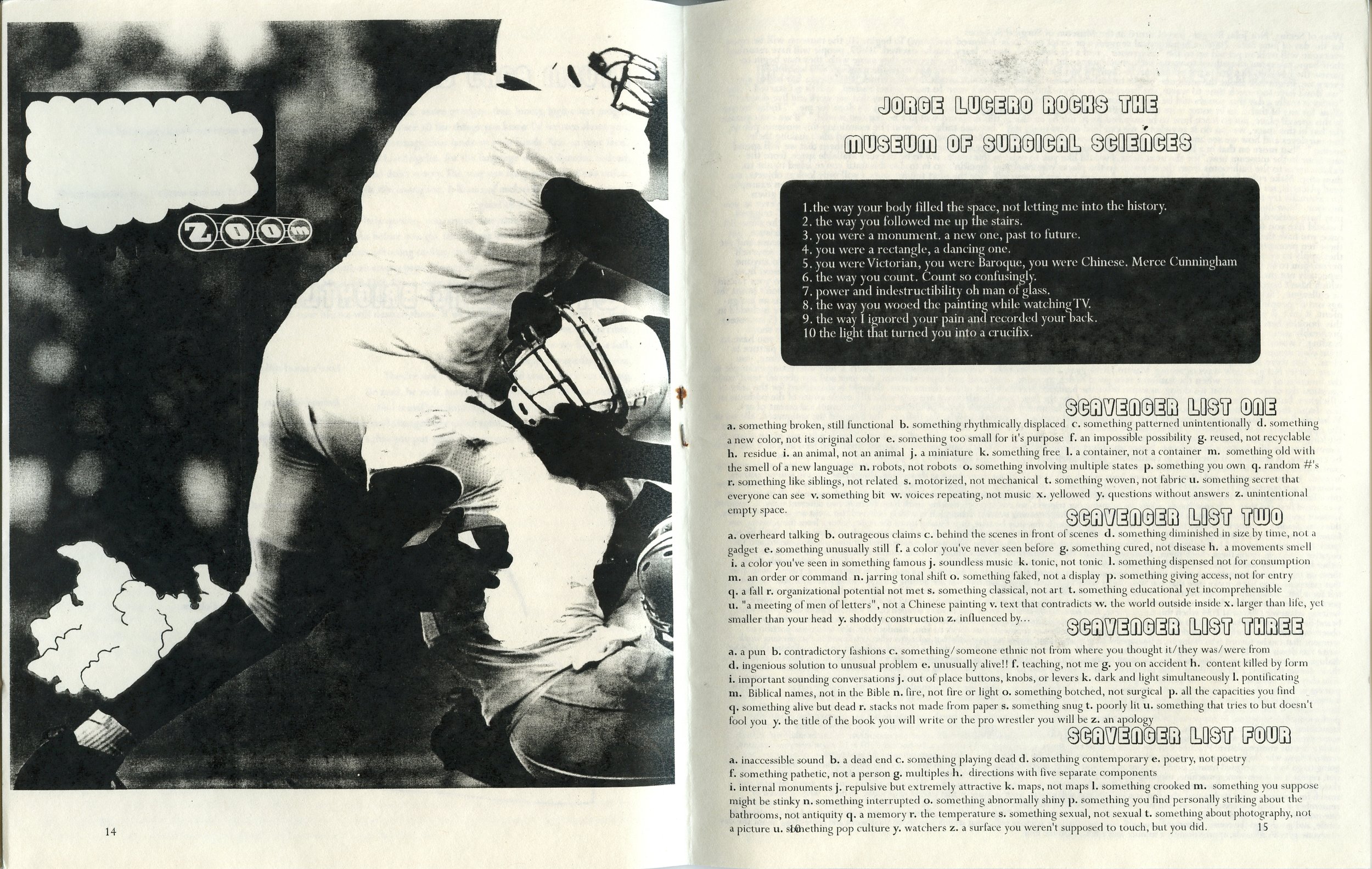
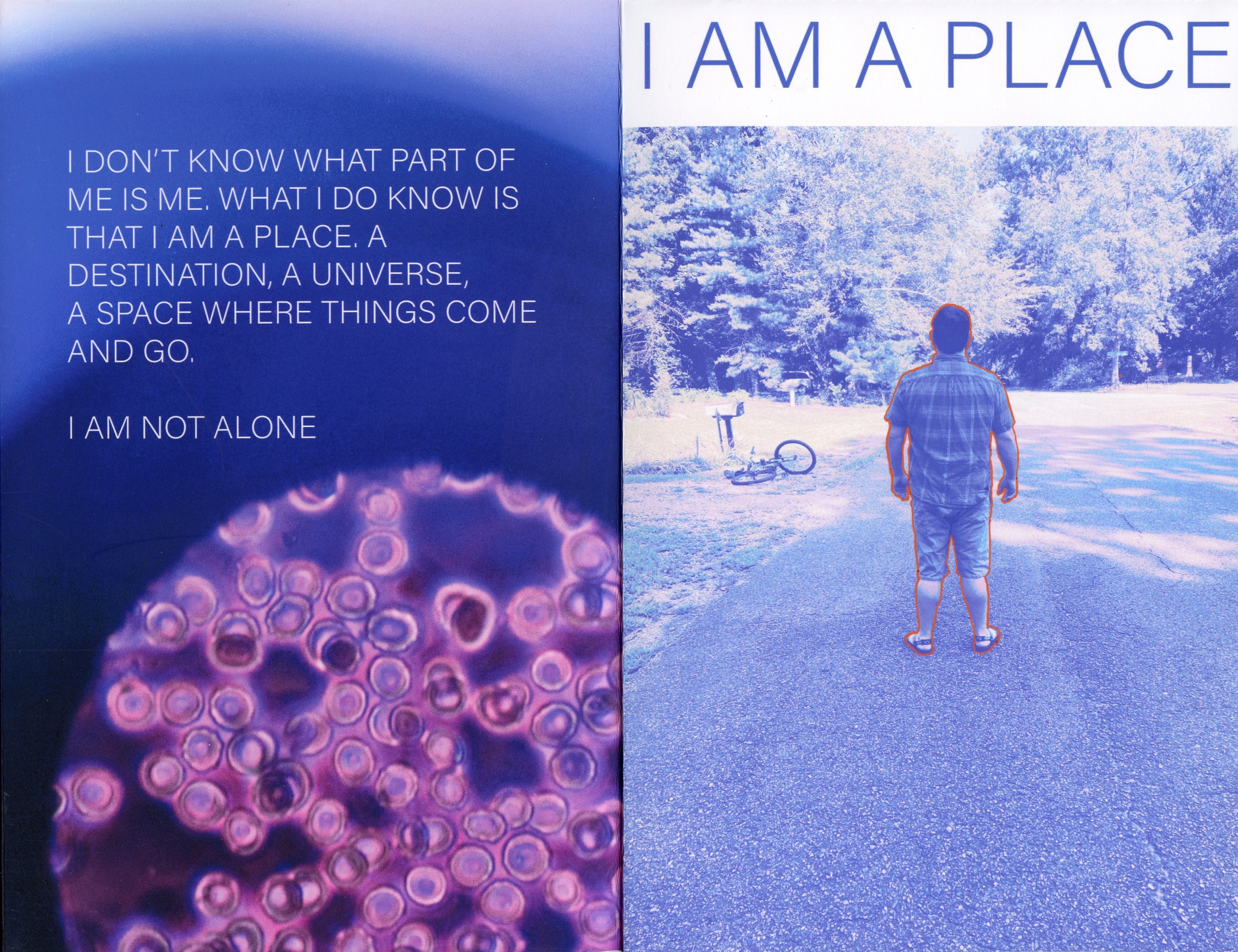
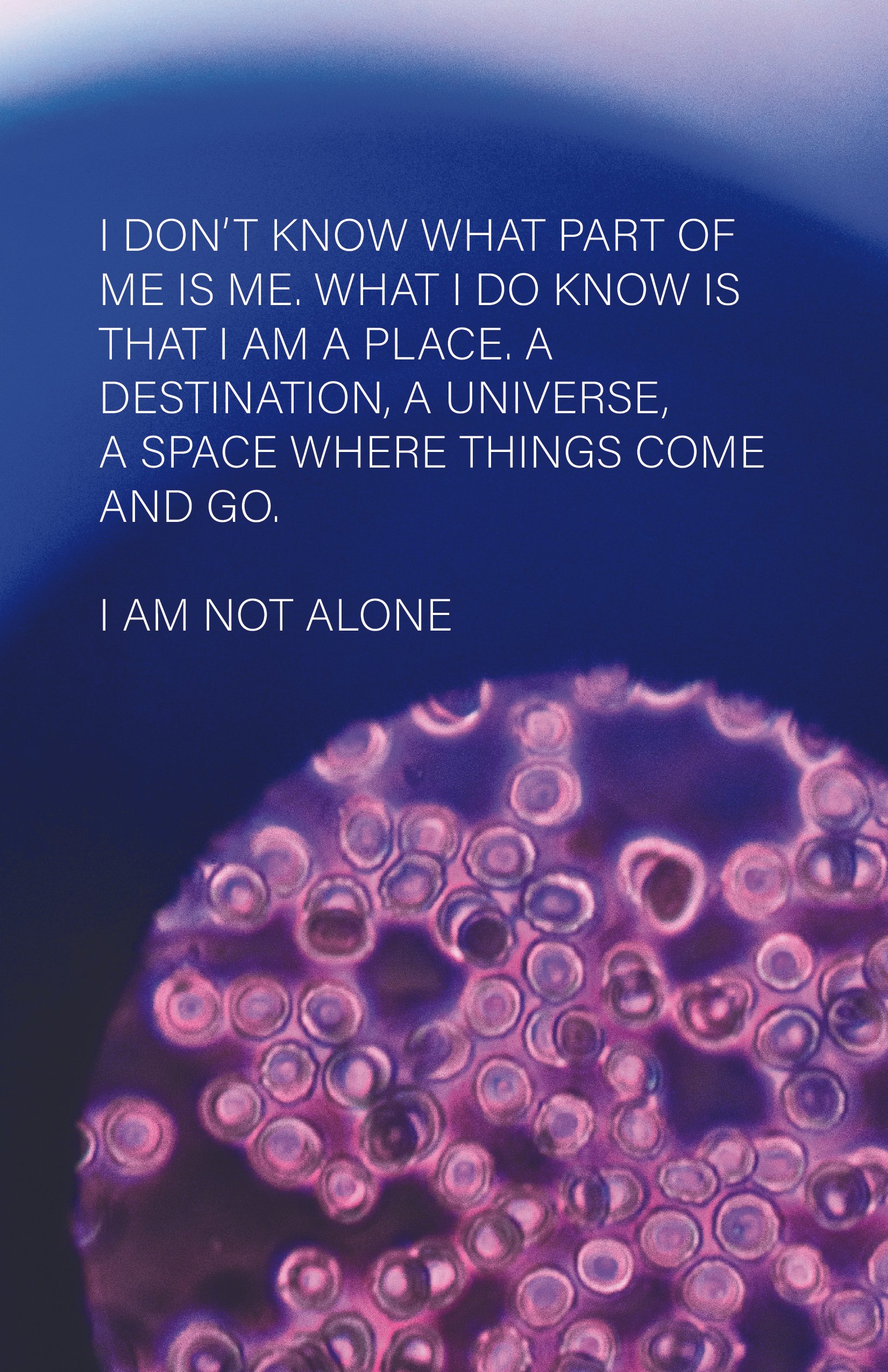
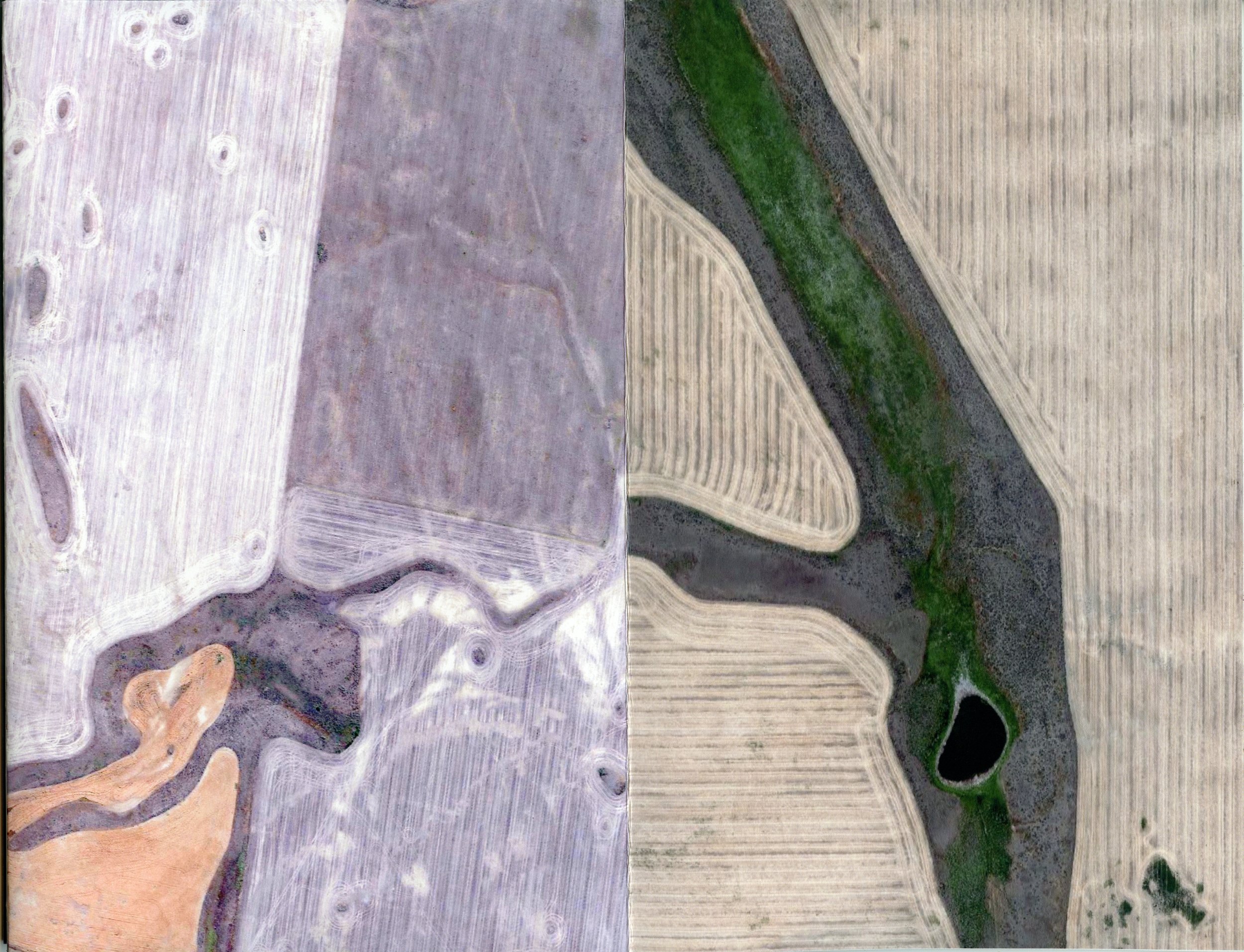
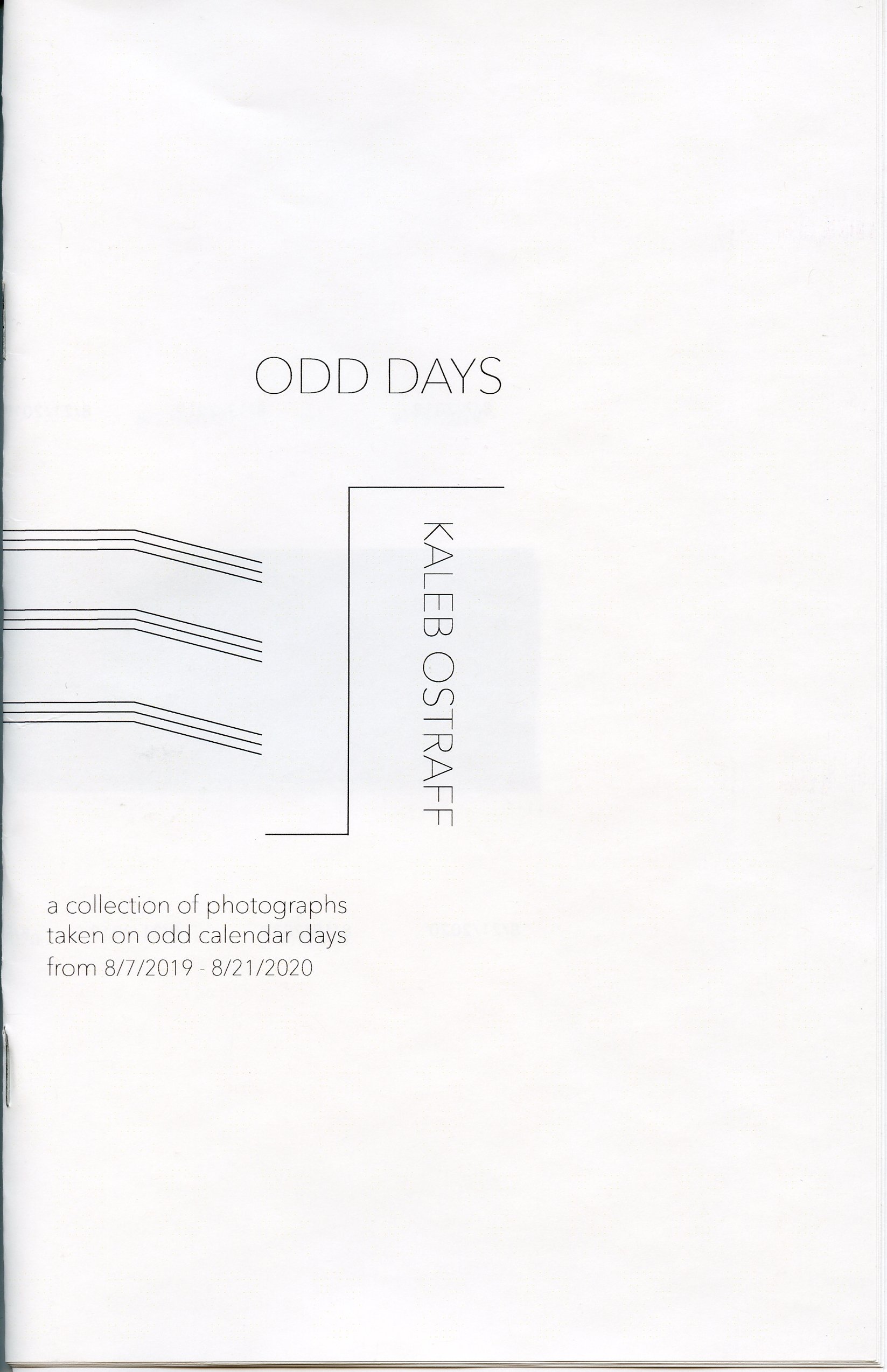
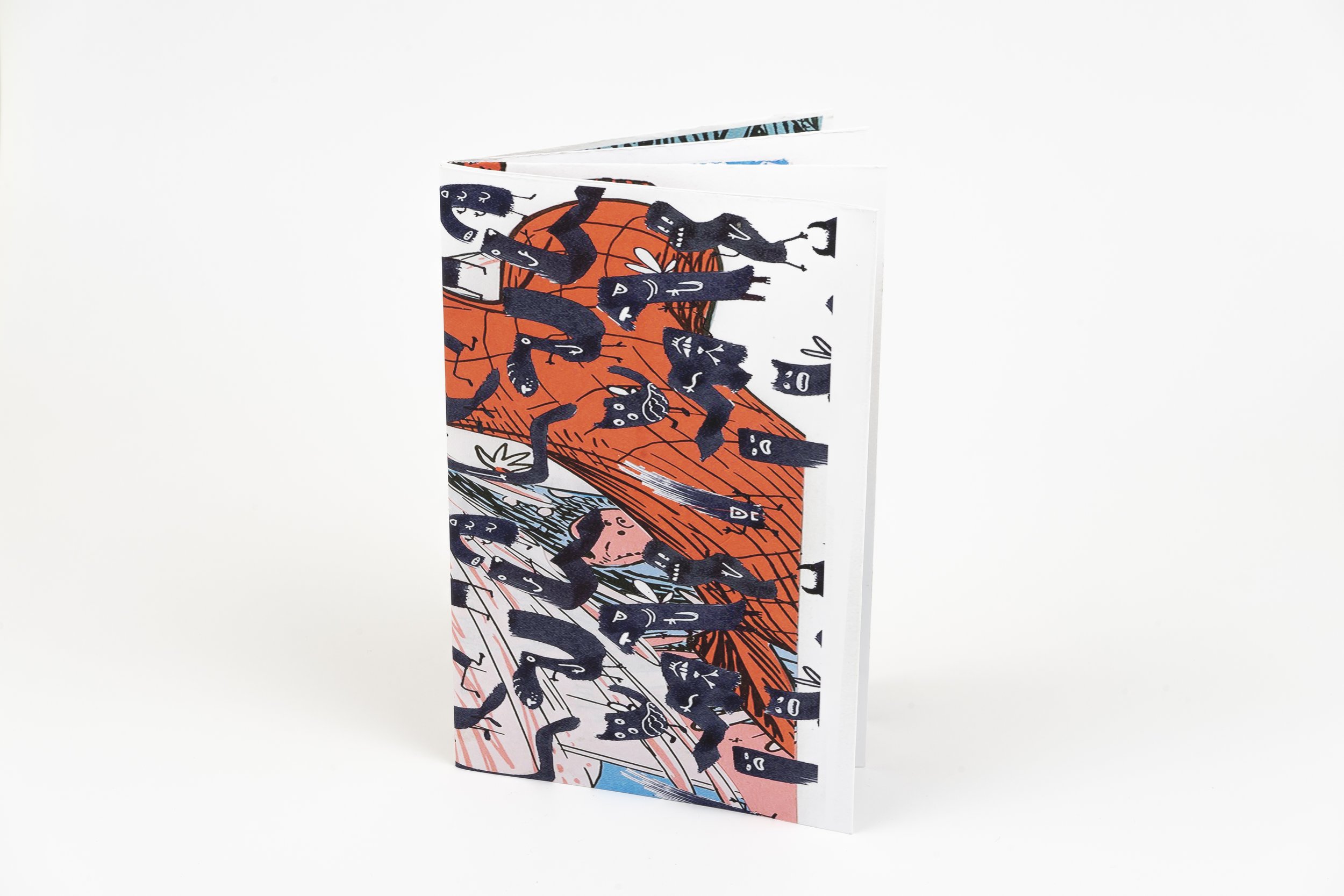
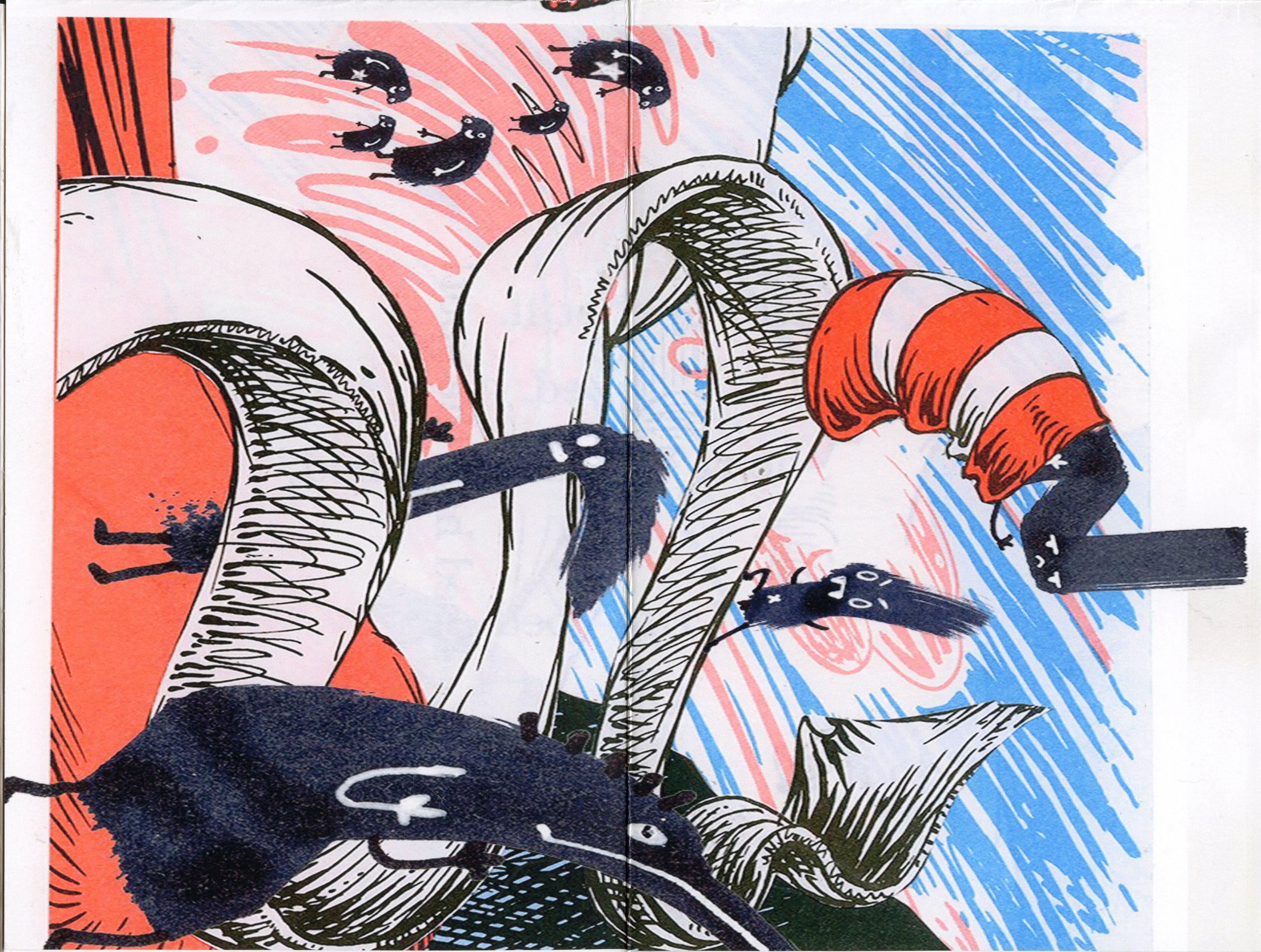
A Cooperative Zine Project
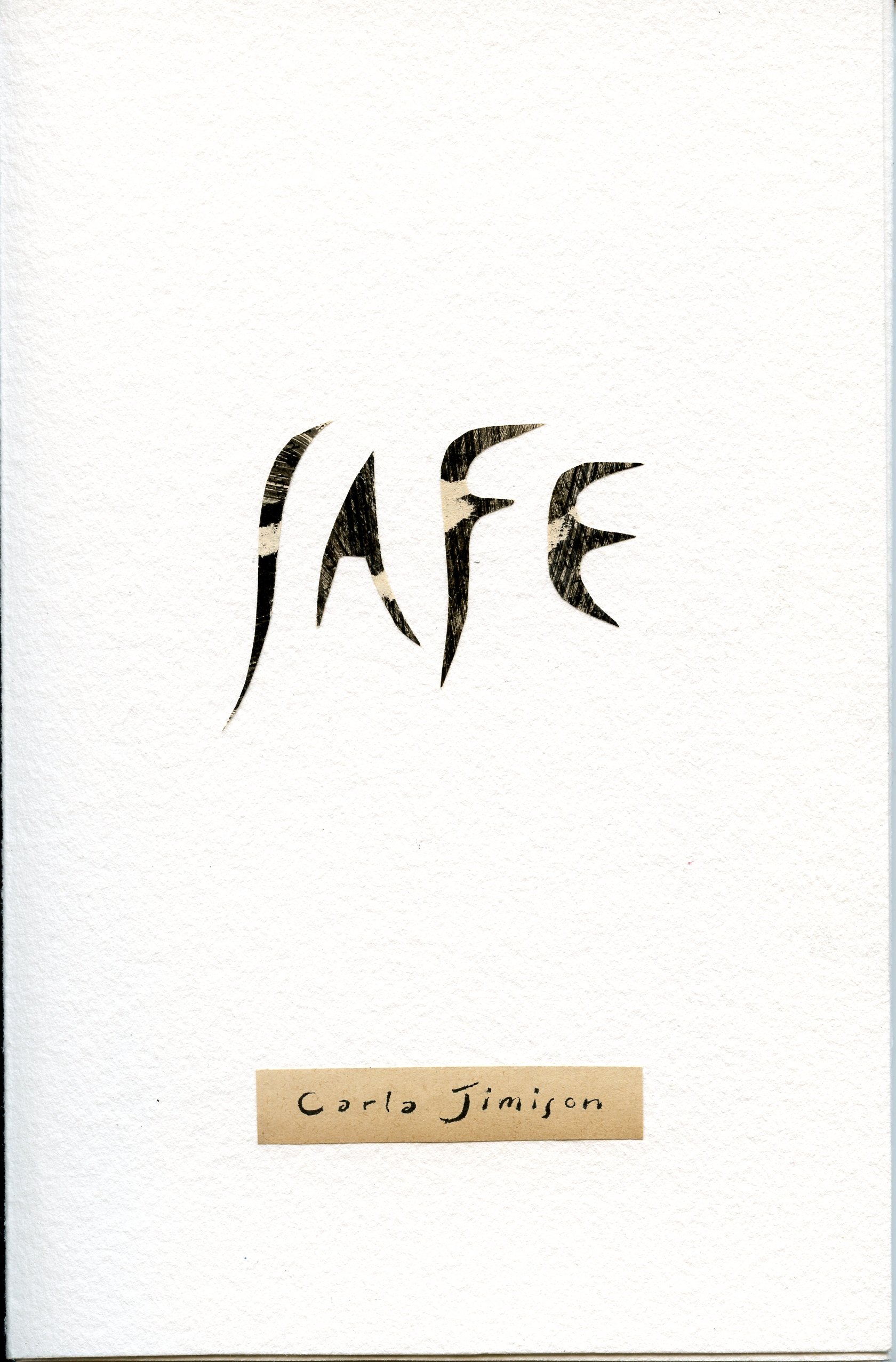
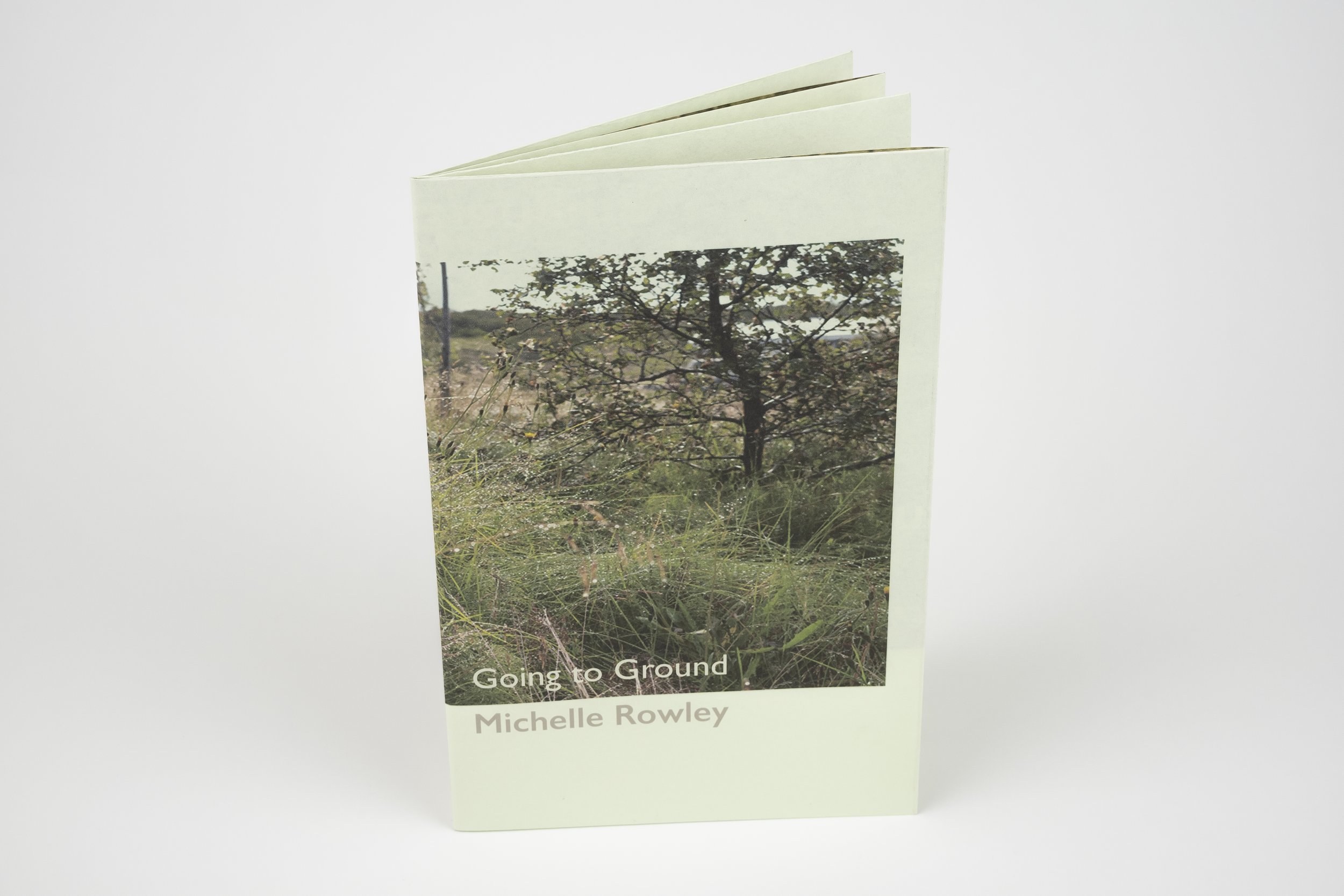
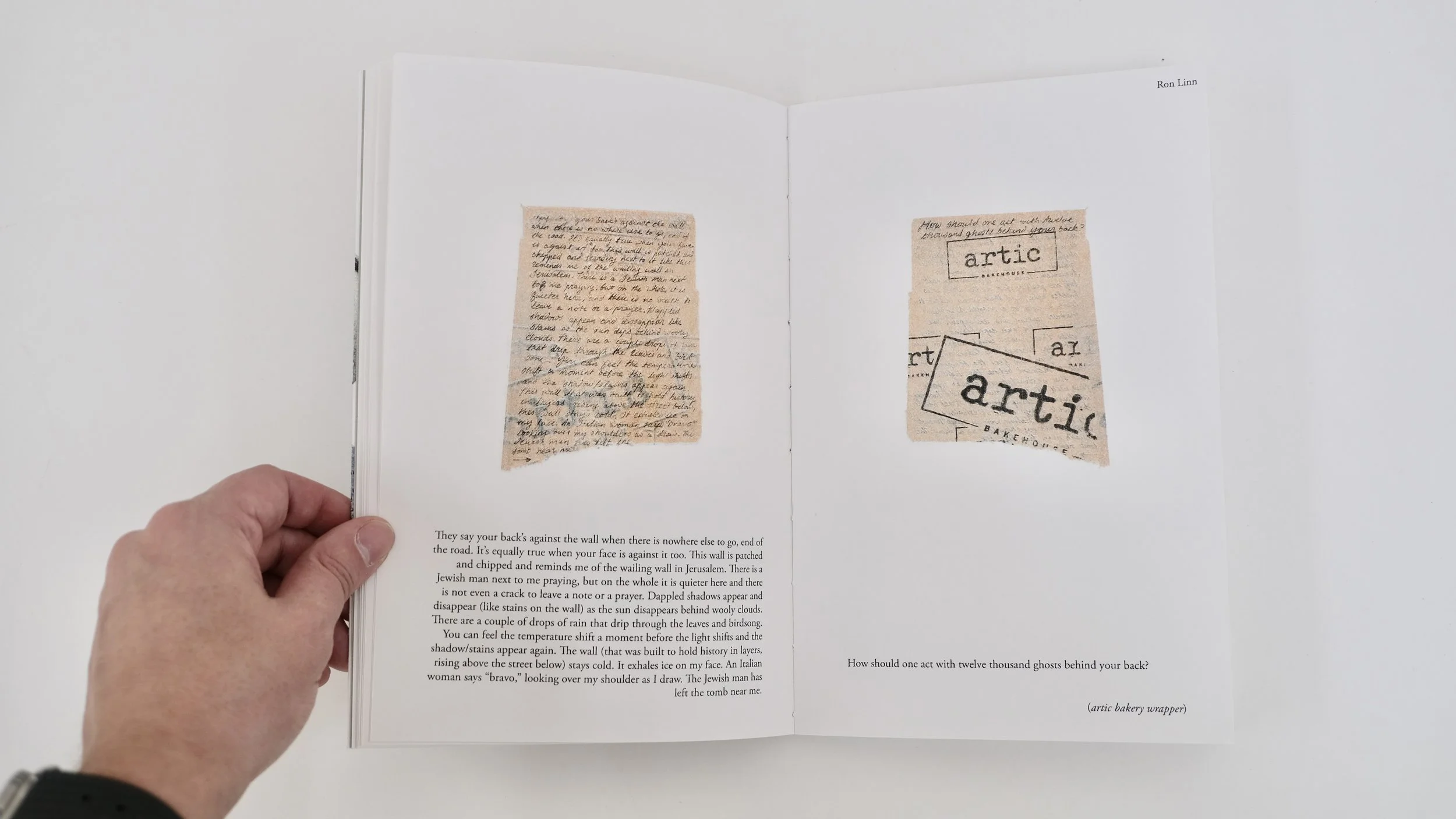
Contributors: Lili Sharp, Michael Sharp, Gary Barton, Jennifer Barton, Elise Boucher, Zac Ostraff, Josh Ostraff, Kaleb Ostraff, Hannah Russell, Melinda Ostraff, Joseph Ostraff, Harper Graham, Ron Linn, Fidalis Buehler, Jen Watson, Melanie Mowinski, Christopher Lynn, Brian Christensen, Brian Cohen, Carla Jimison, Claudine Bigelow, Linda Reynolds, Michelle Rowley, Sally Weaver, Jenny Macfarlane, Joanna Kidney, Jorge Lucero, Madeline Rupard, Maddison Colvin
A Collaborative Book Arts Project
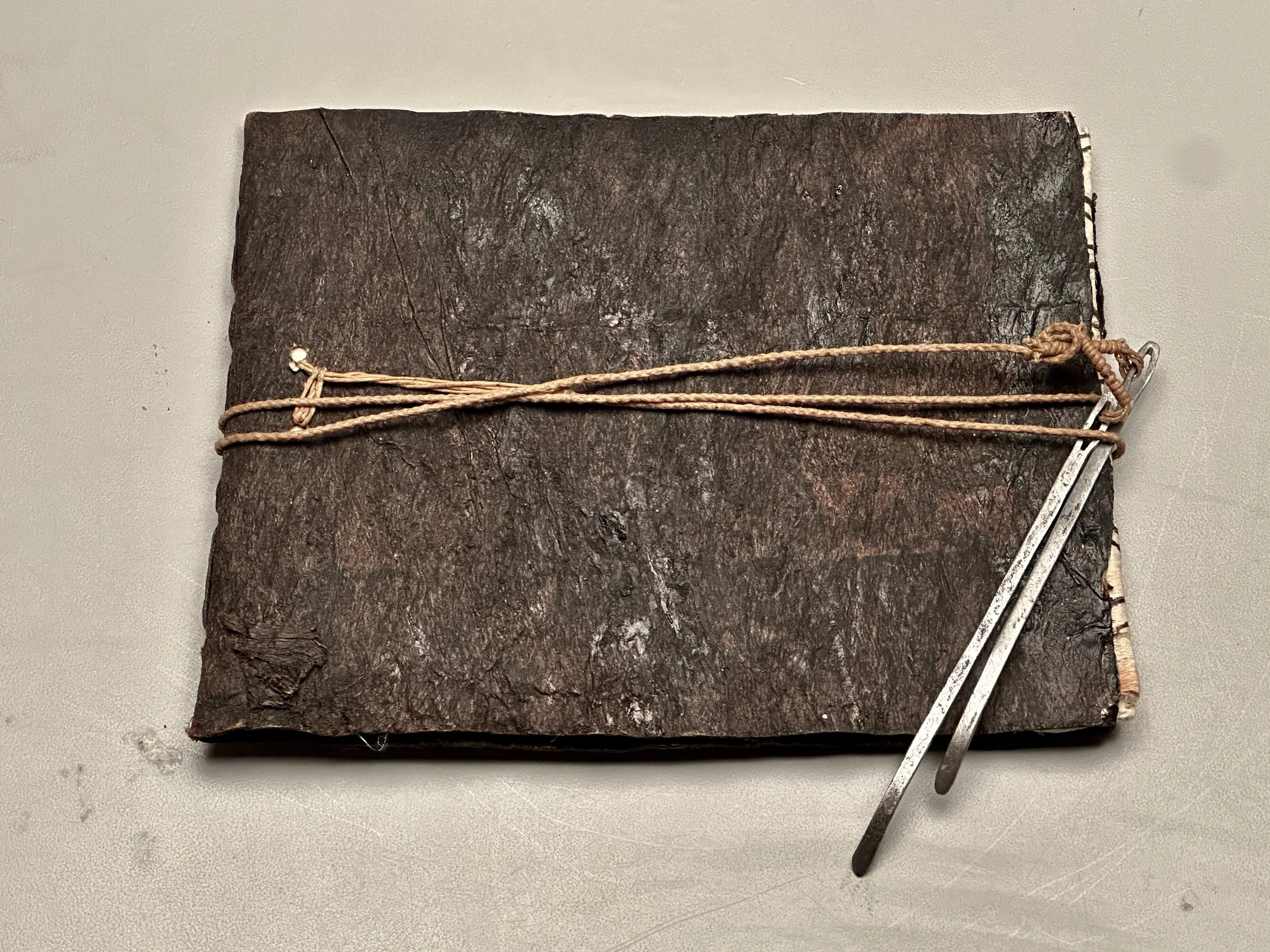
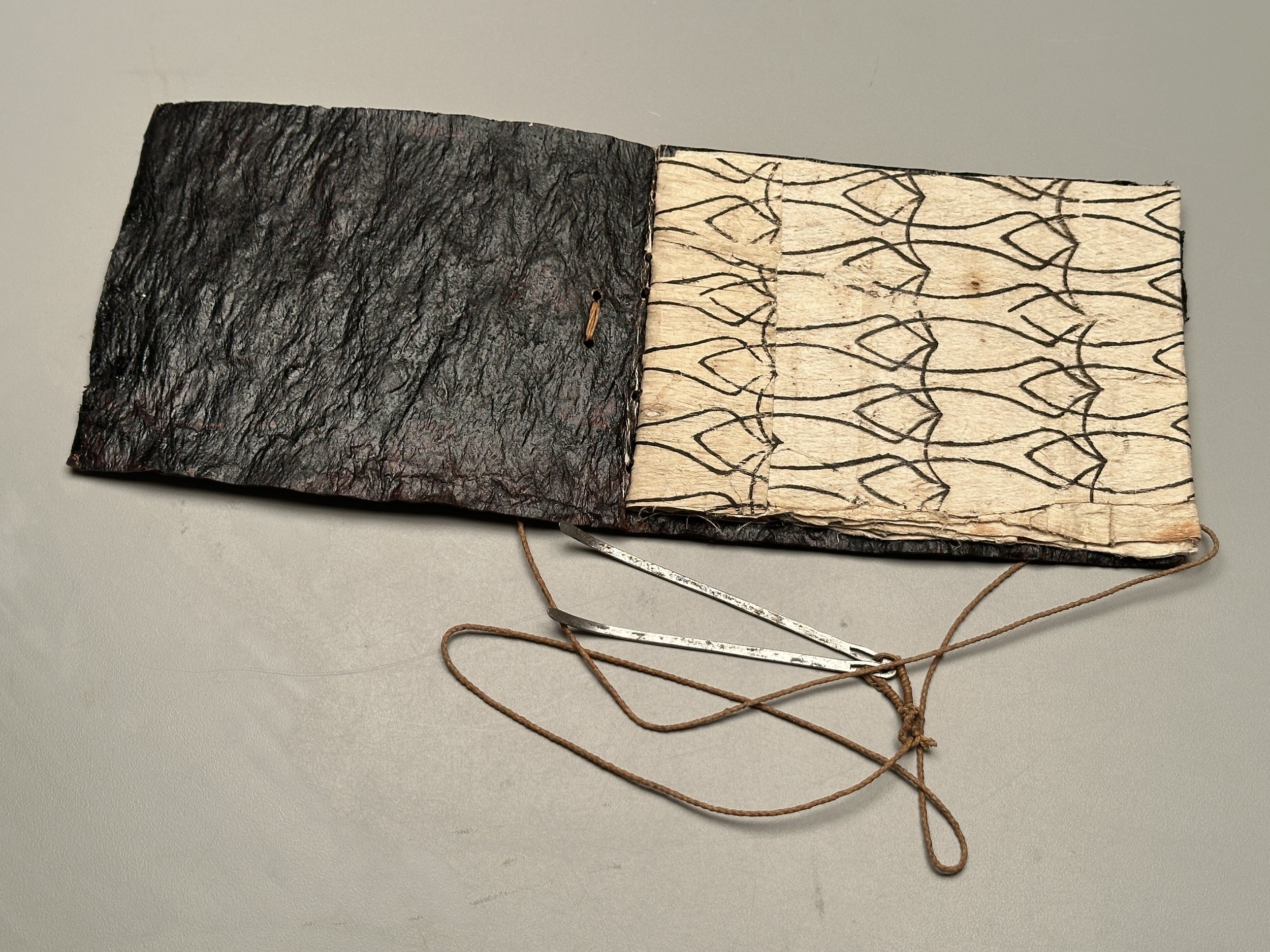
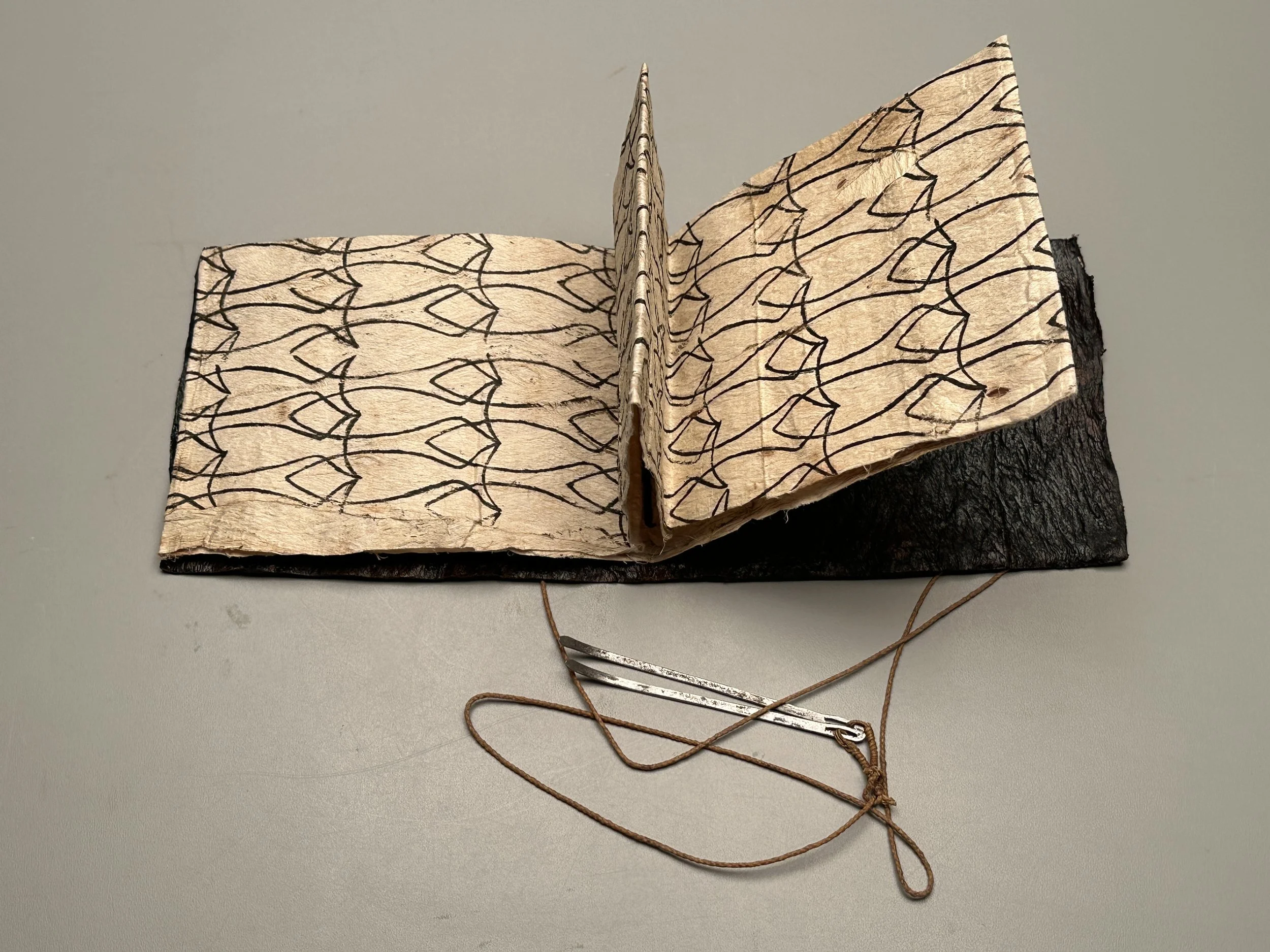
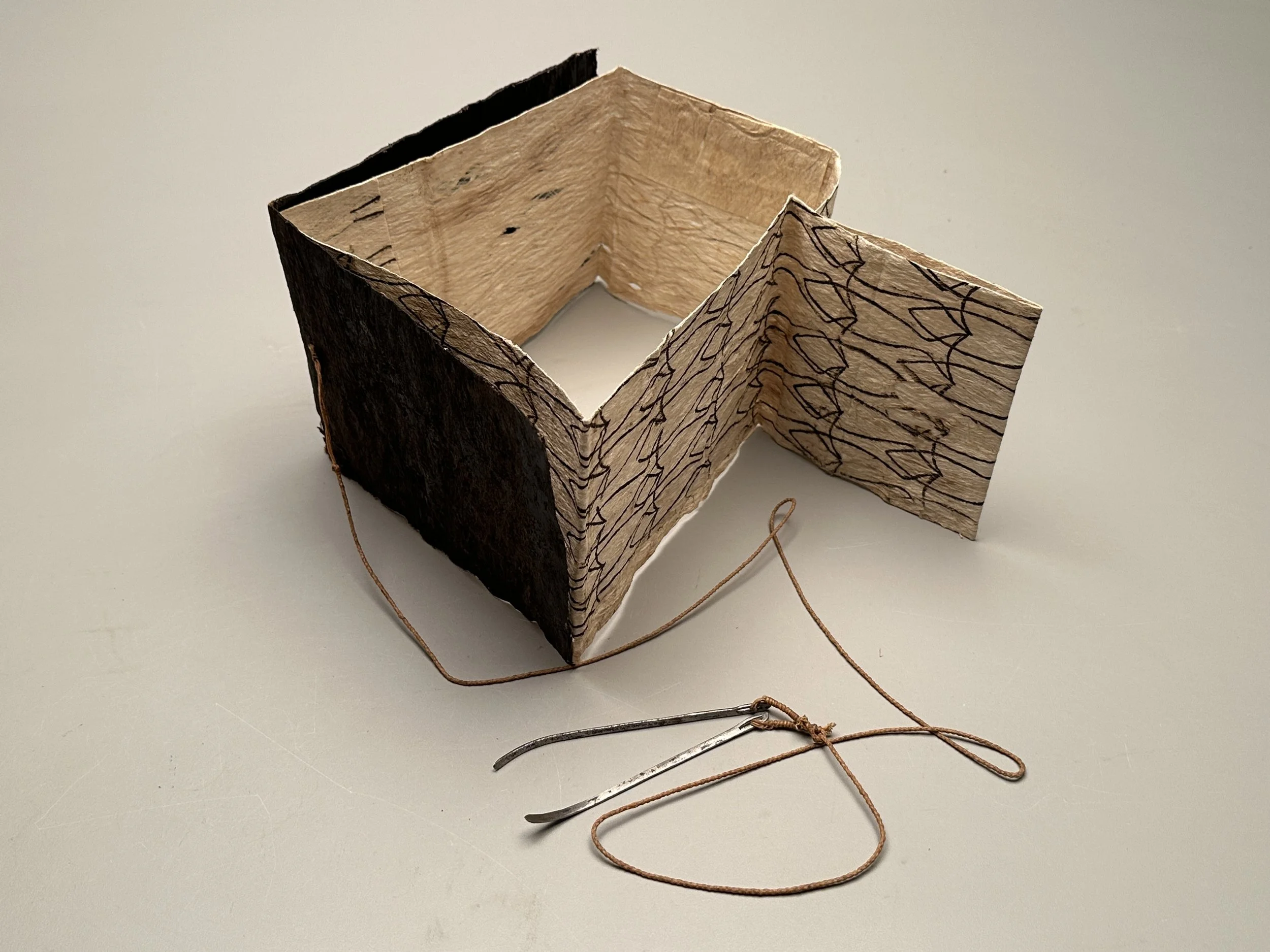
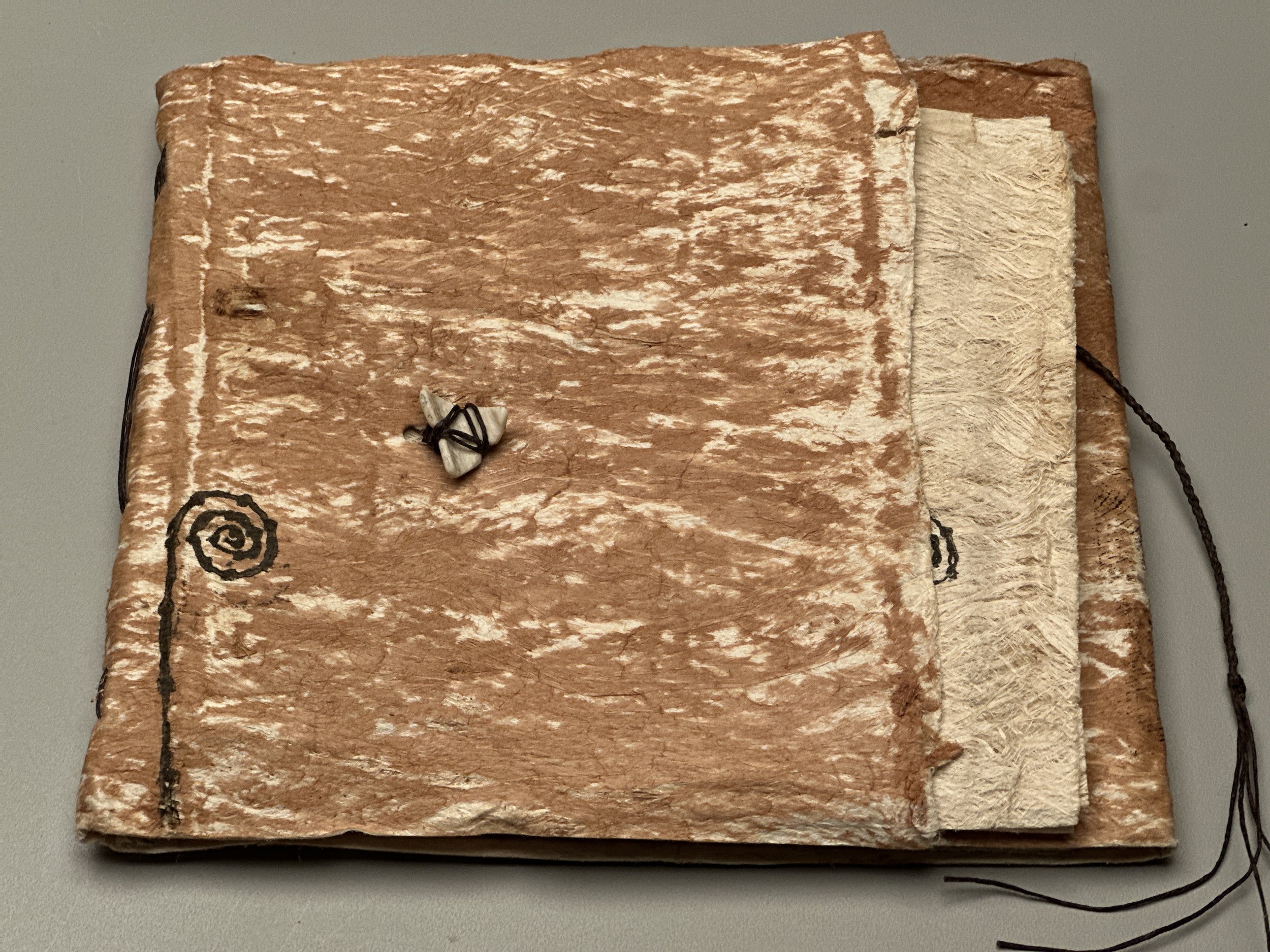
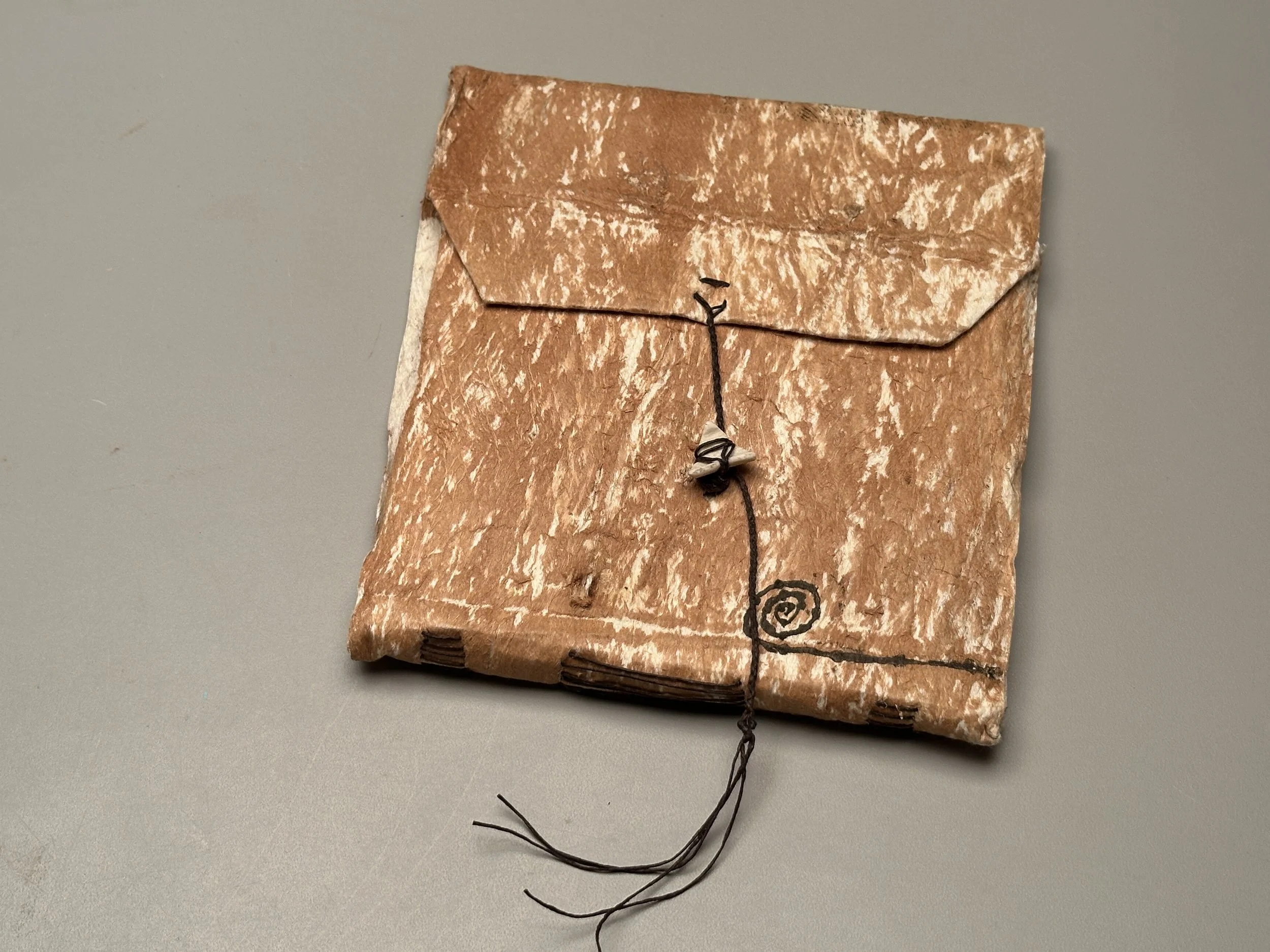
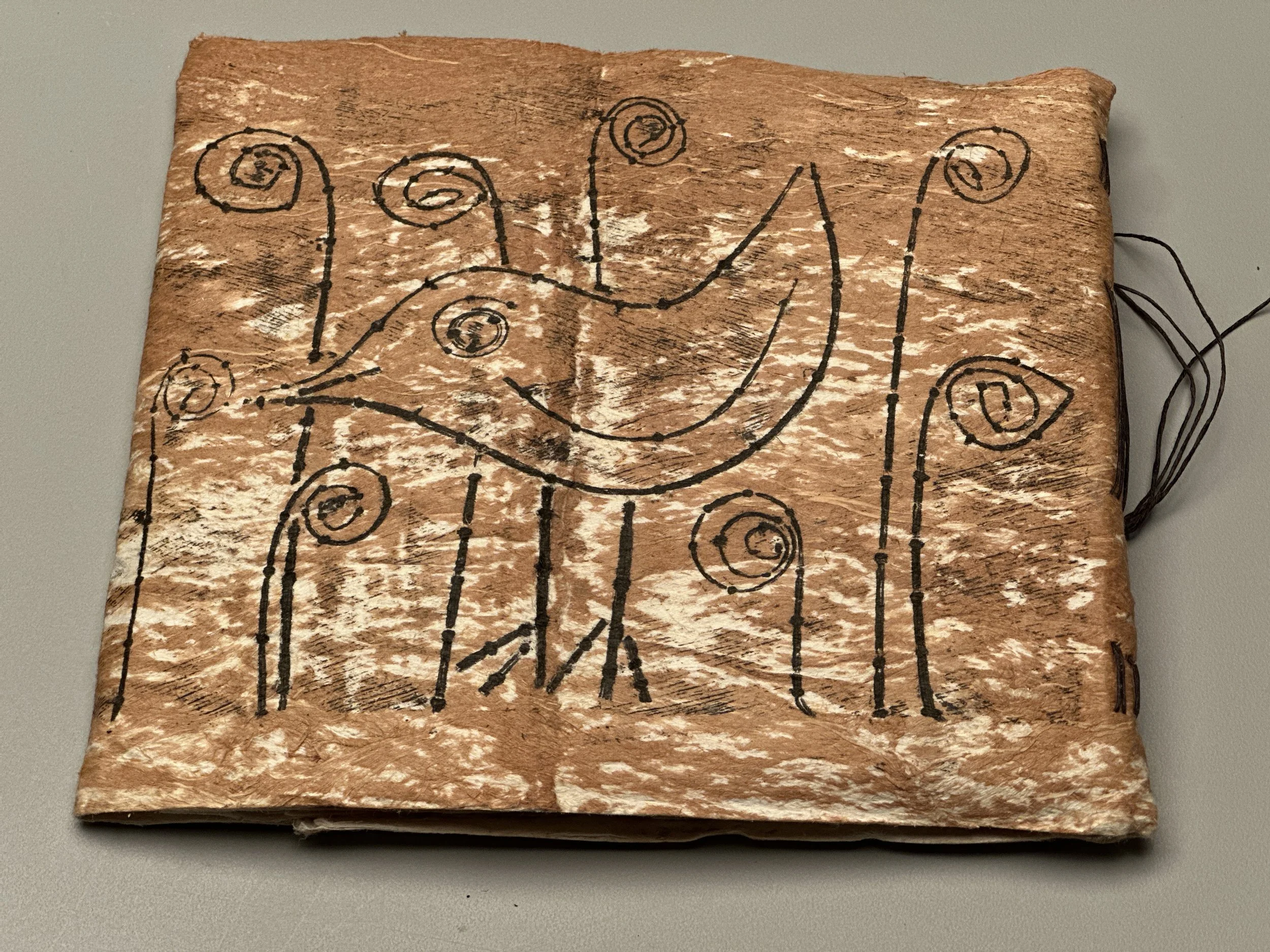
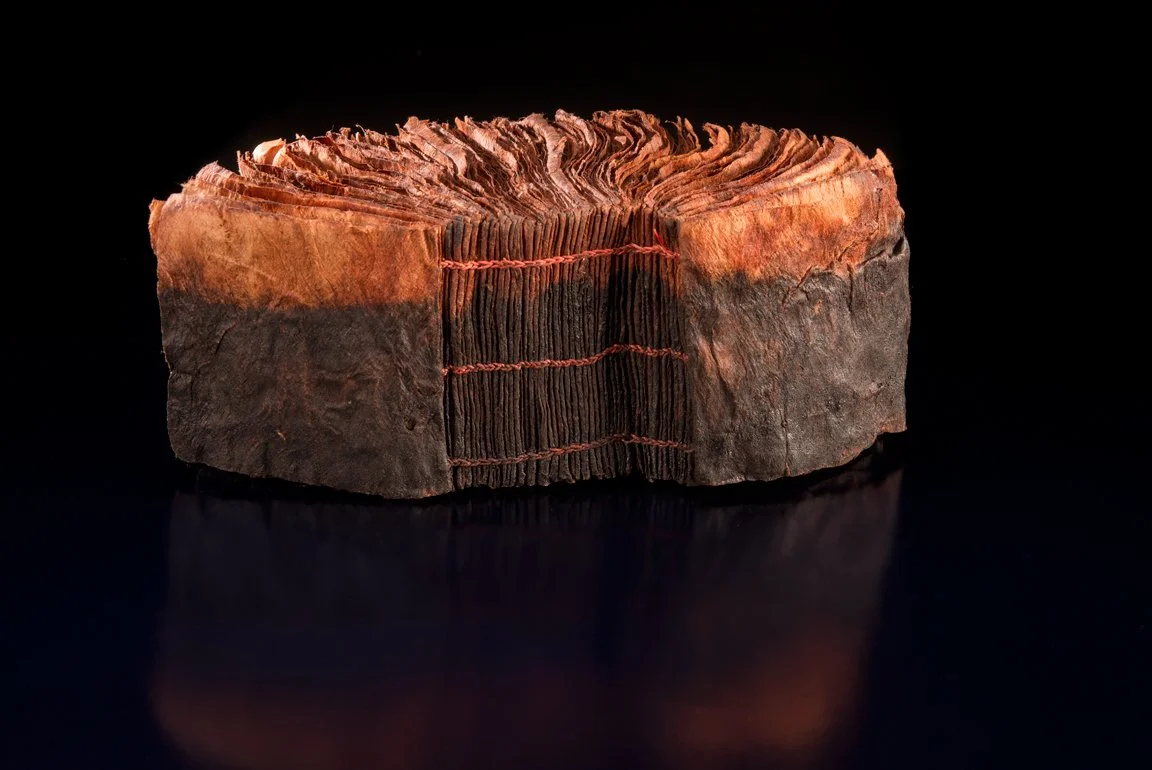
Manulua is the name of one of the oldest design patterns found in traditional Tongan bark cloth. Translated literally, it refers to two birds or two pairs of bird wings. The deeper meaning of this pattern is to unite two groups or families, forming a new bond.
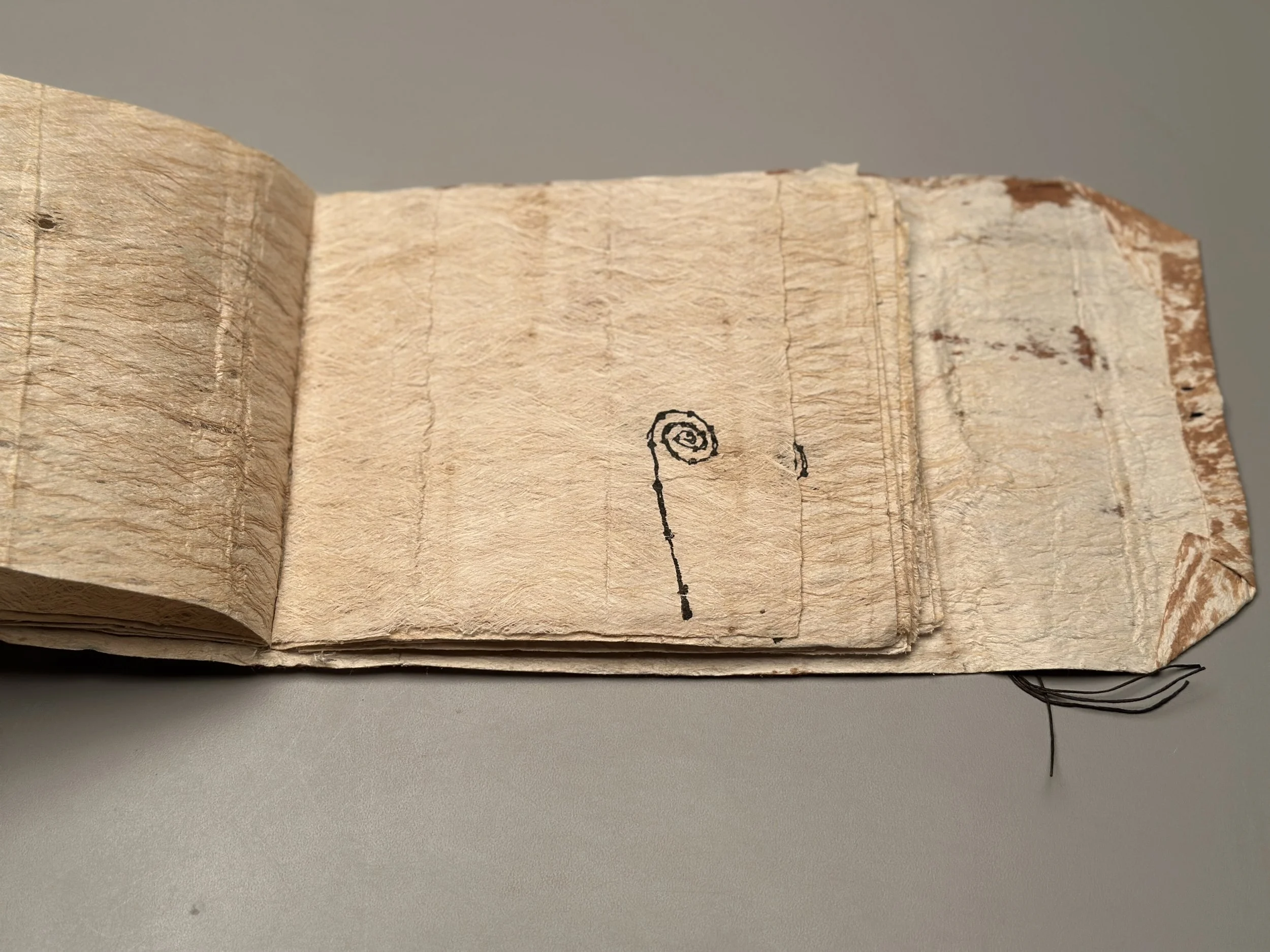
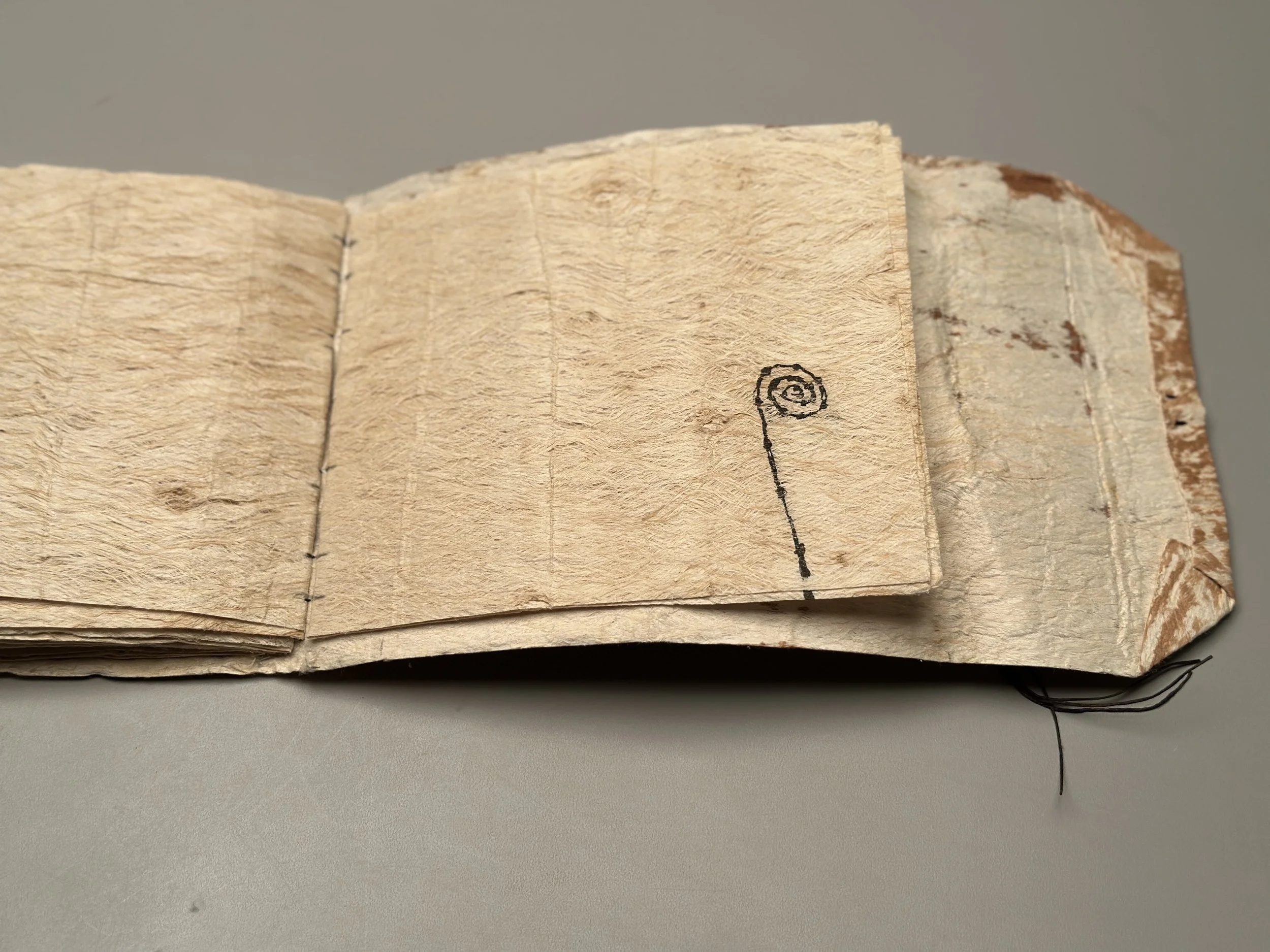
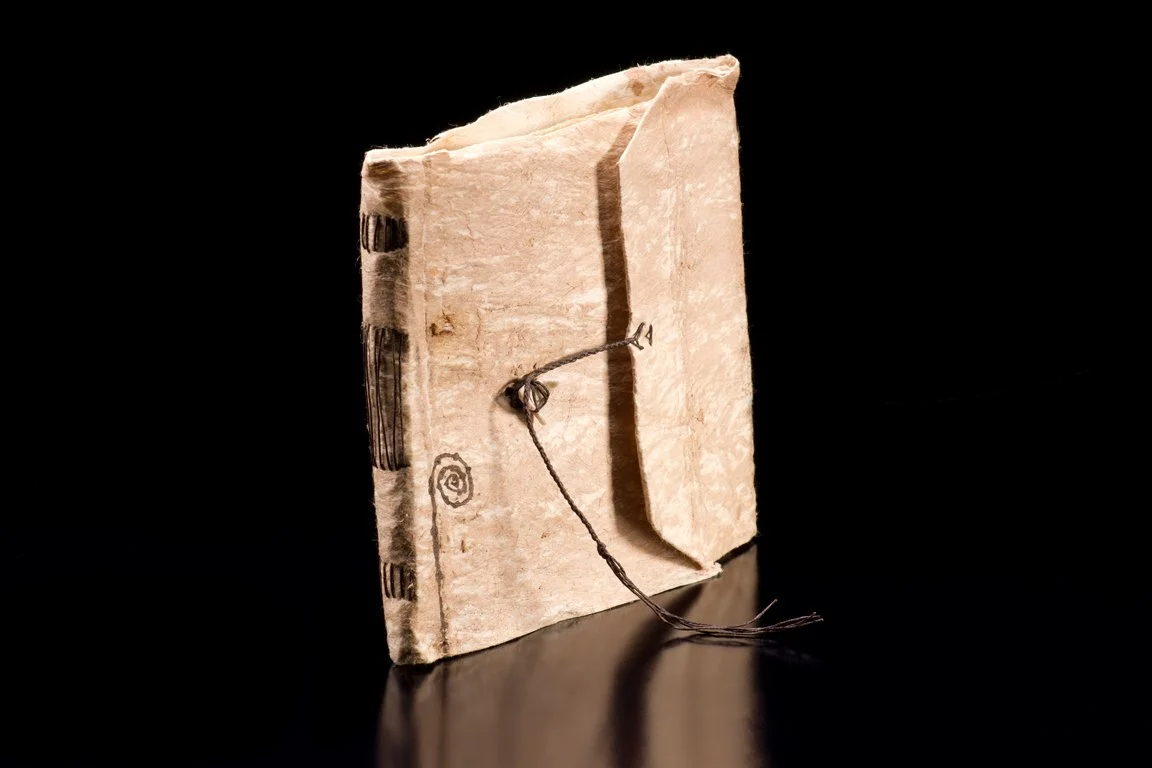
In July 2010, a group of artists from Brigham Young University and a group of women artists from a traditional organization, a Kautaha Toulalanga, gathered in Vava’u, Tonga, for several weeks. The goal of this collaboration was to create contemporary works of art based on traditional methodologies. Knowledge was exchanged between the two groups as we explored Western relief printmaking and bookbinding techniques alongside traditional Tongan processes, including the making of bark cloth, the use of natural bark dyes, and the development of patterns found on completed Ngatu, commonly known as tapa cloth.
Over the course of this exchange, thirty-nine participants engaged in a collaborative process that resulted in the creation of twenty-nine books.
An Installation
Rosengart Art Gallery
Averitt Center for the Arts
Statesboro, Georgia
March–May 2026
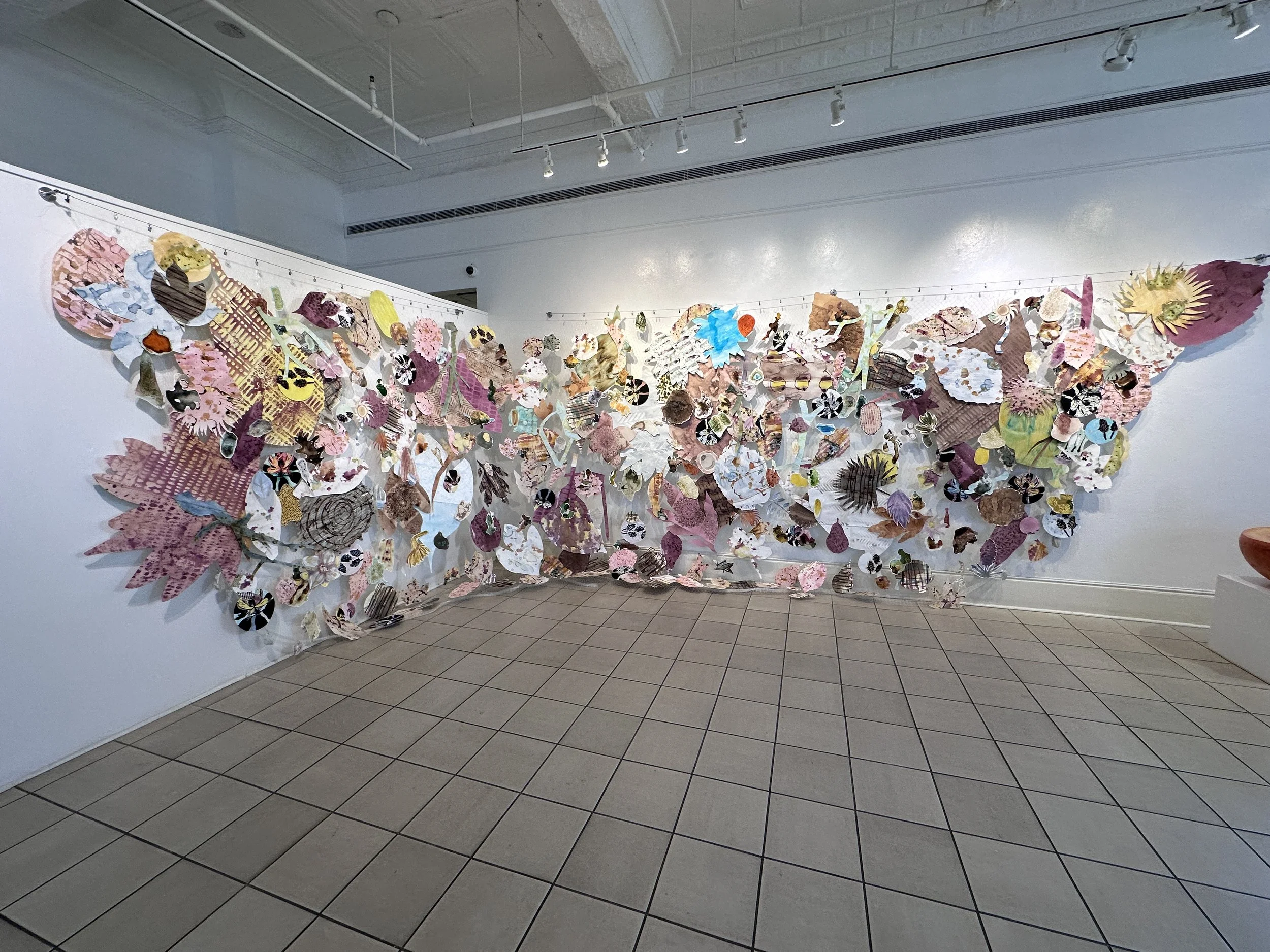
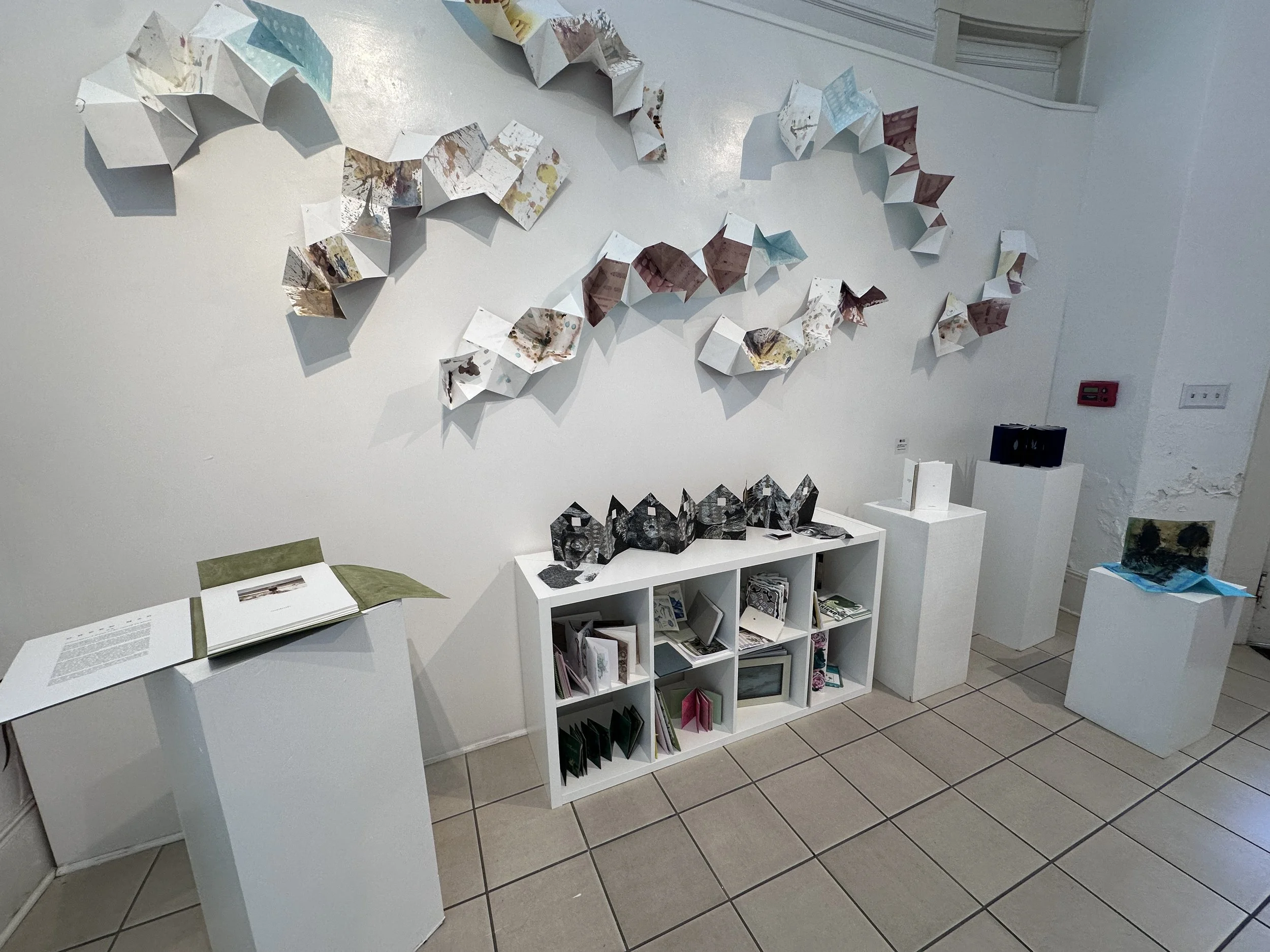
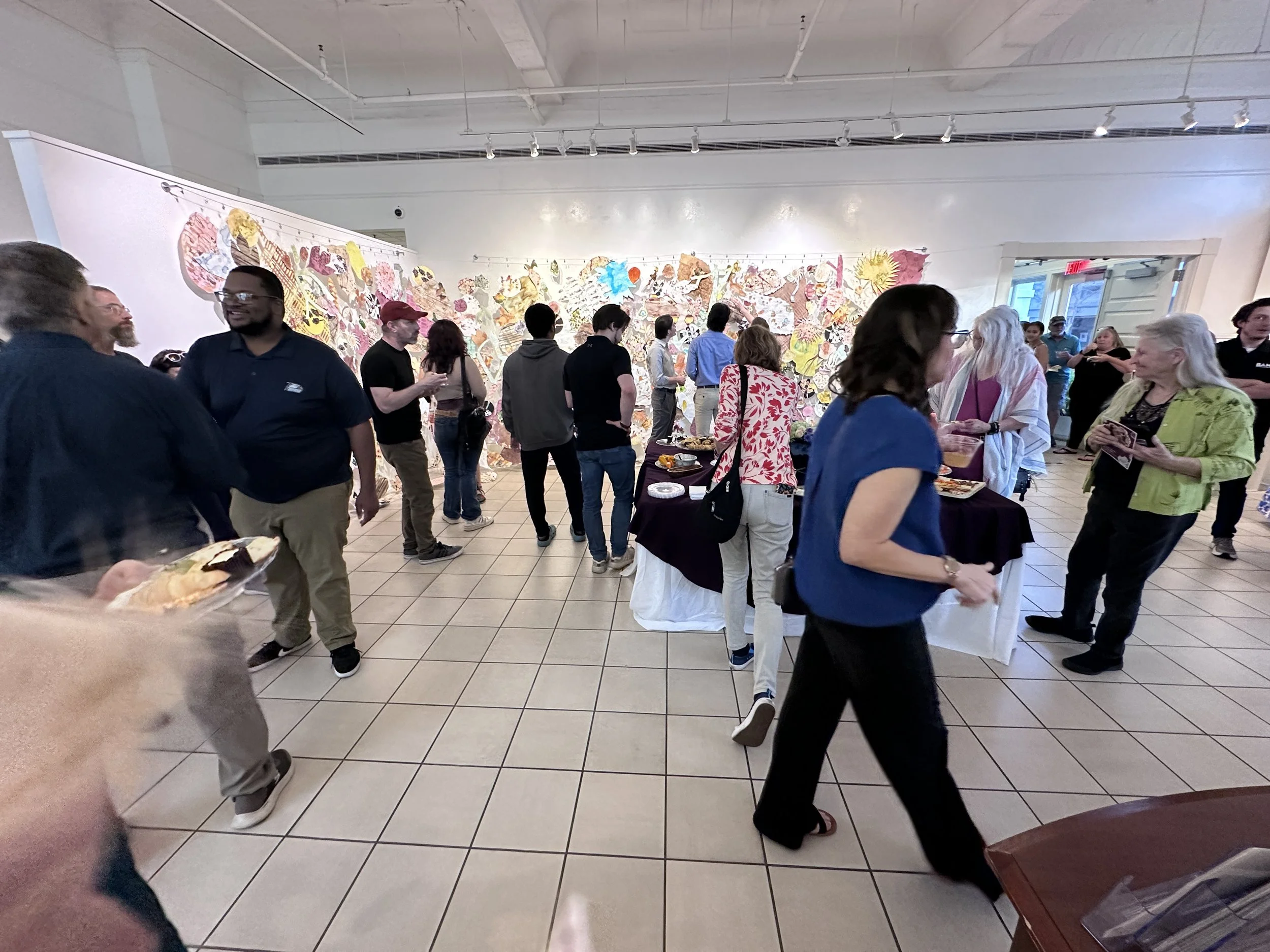
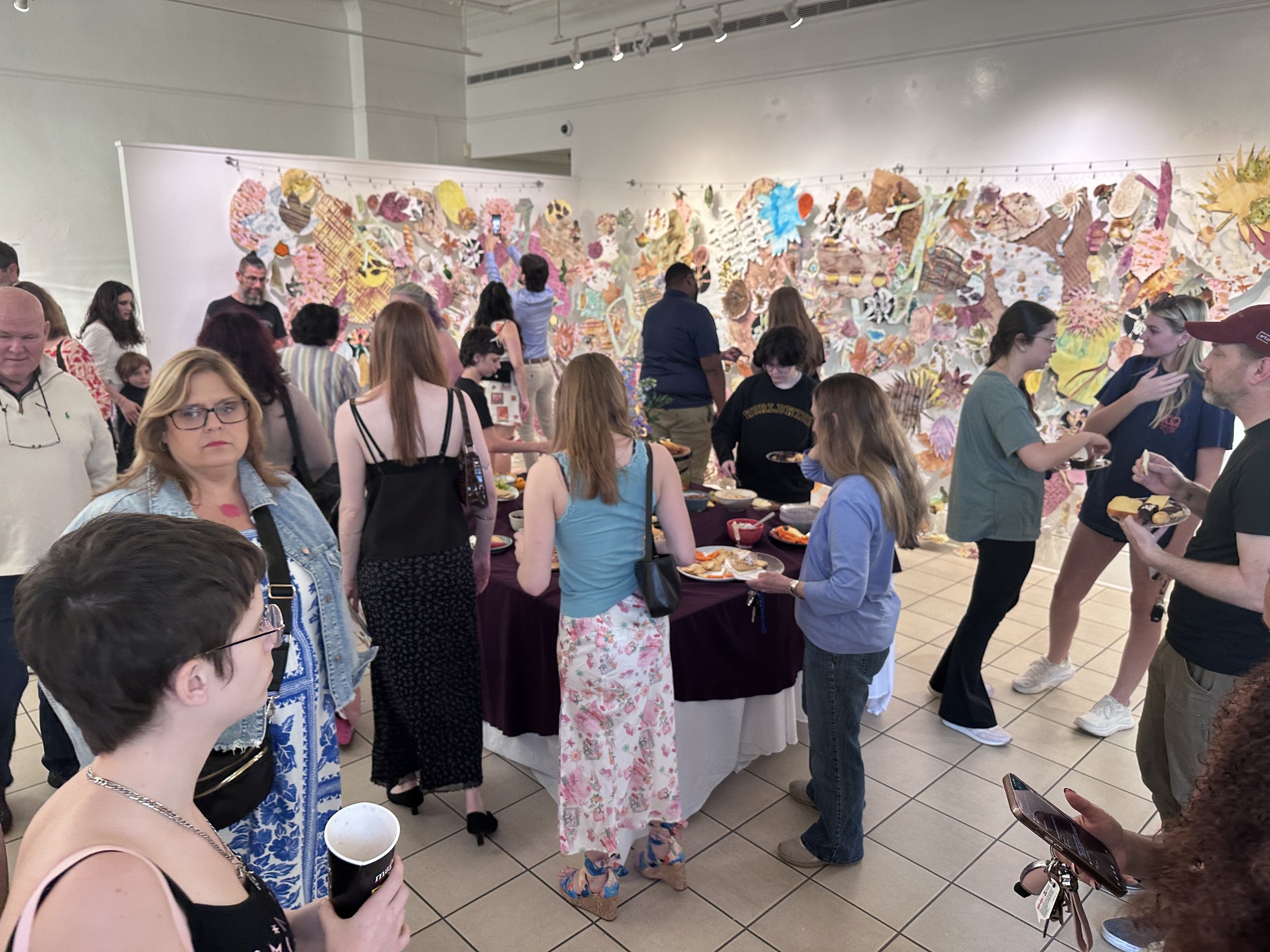
Weed, Seeds, and Wonder was a collaborative project developed at the Averitt Center for the Arts, bringing together artists, students, and community members in a shared exploration of plants, place, and stewardship. Created by Melinda and Joseph Ostraff in partnership with the Averitt Center for the Arts, as well as faculty and students from Brigham Young University and Georgia Southern University, the project engaged the broader Statesboro community through workshops, plant walks, ink-making demonstrations, and hands-on studio participation.
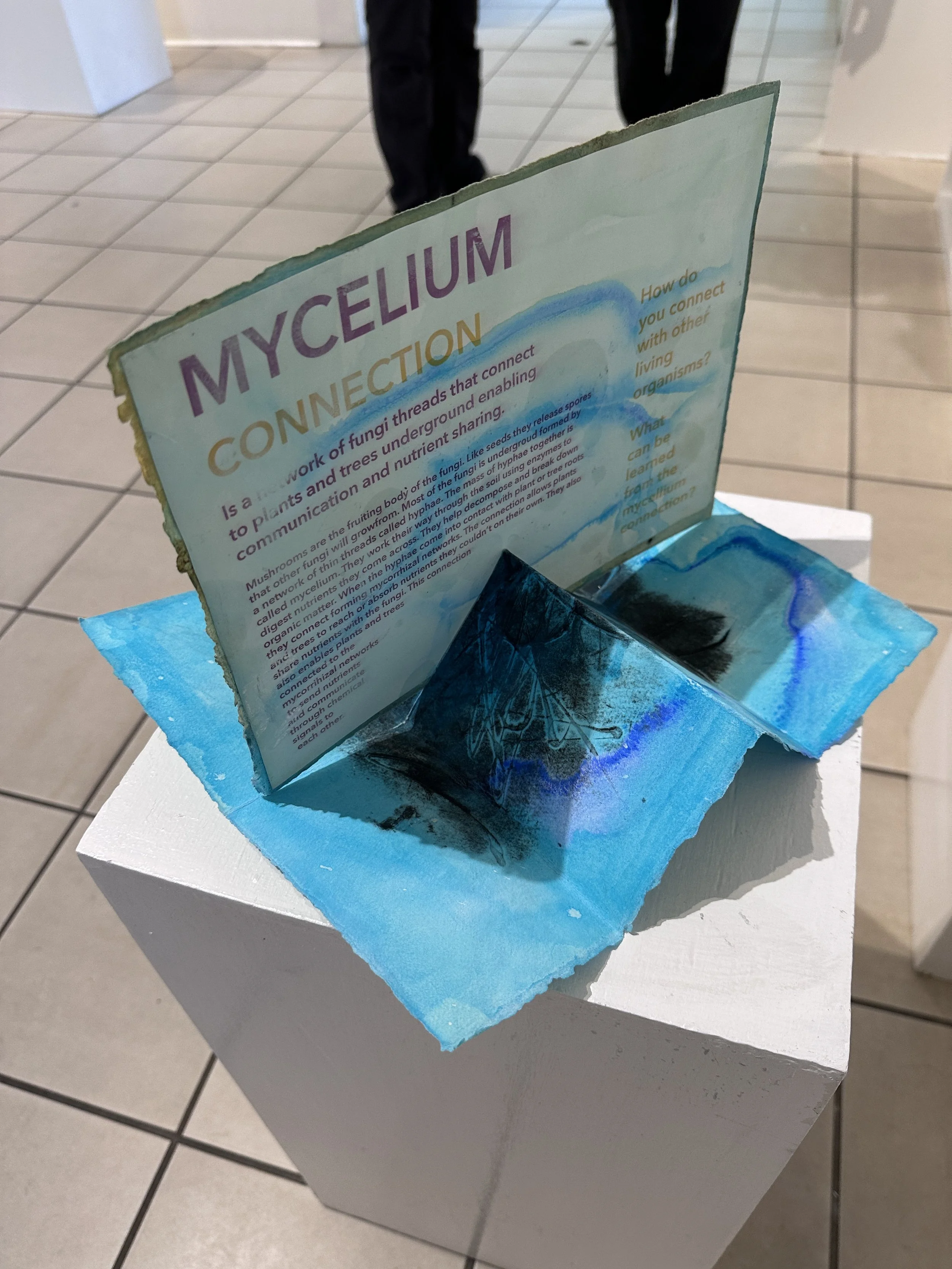
At its core, the project used botanical inks and dyes to build an evolving installation. Through shared activities—exchanging stories, gathering plant knowledge, harvesting materials, and contributing marks and textures—the work developed into a layered visual landscape reflecting both the region’s botanical diversity and the people who inhabit it.
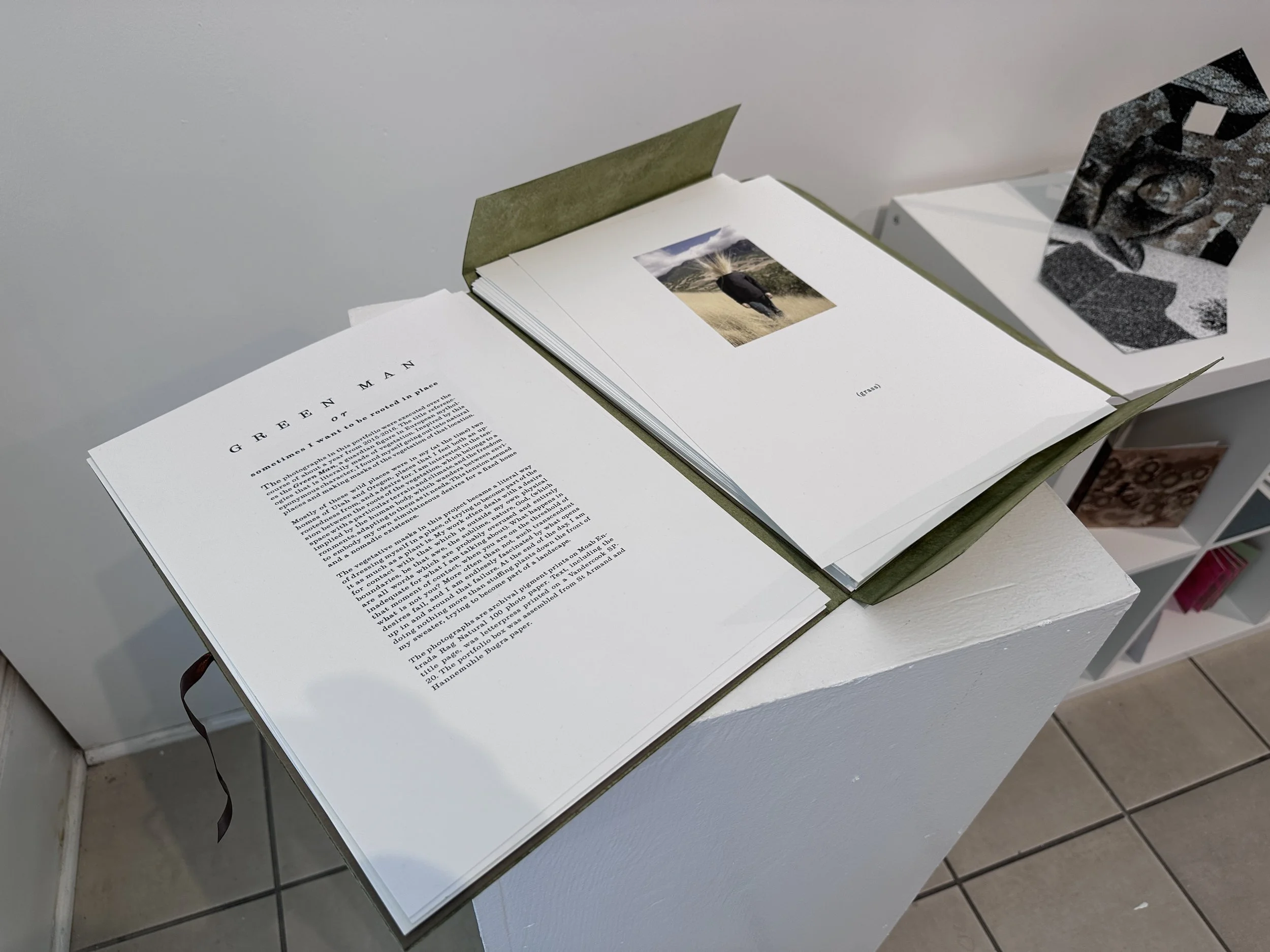
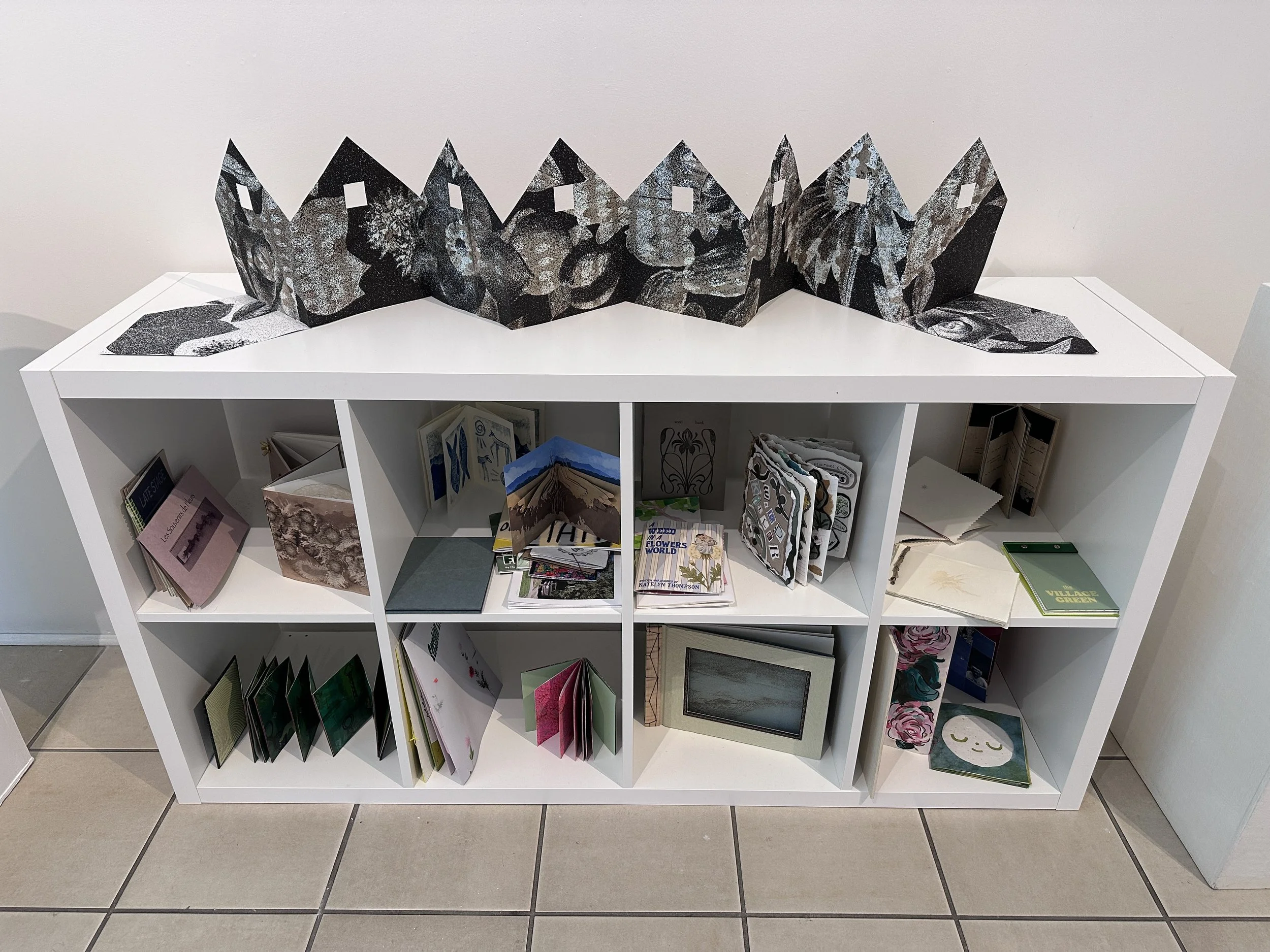
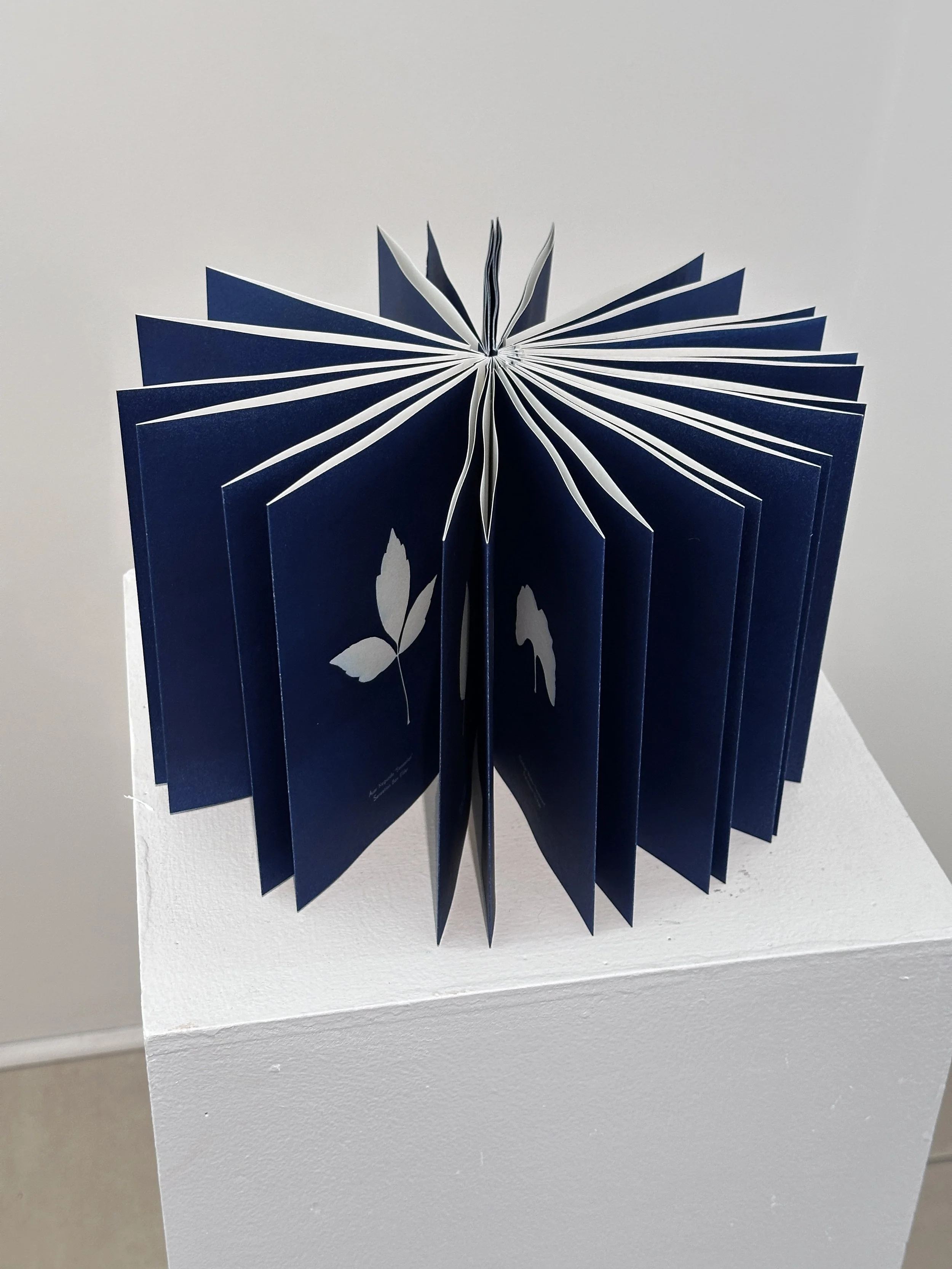
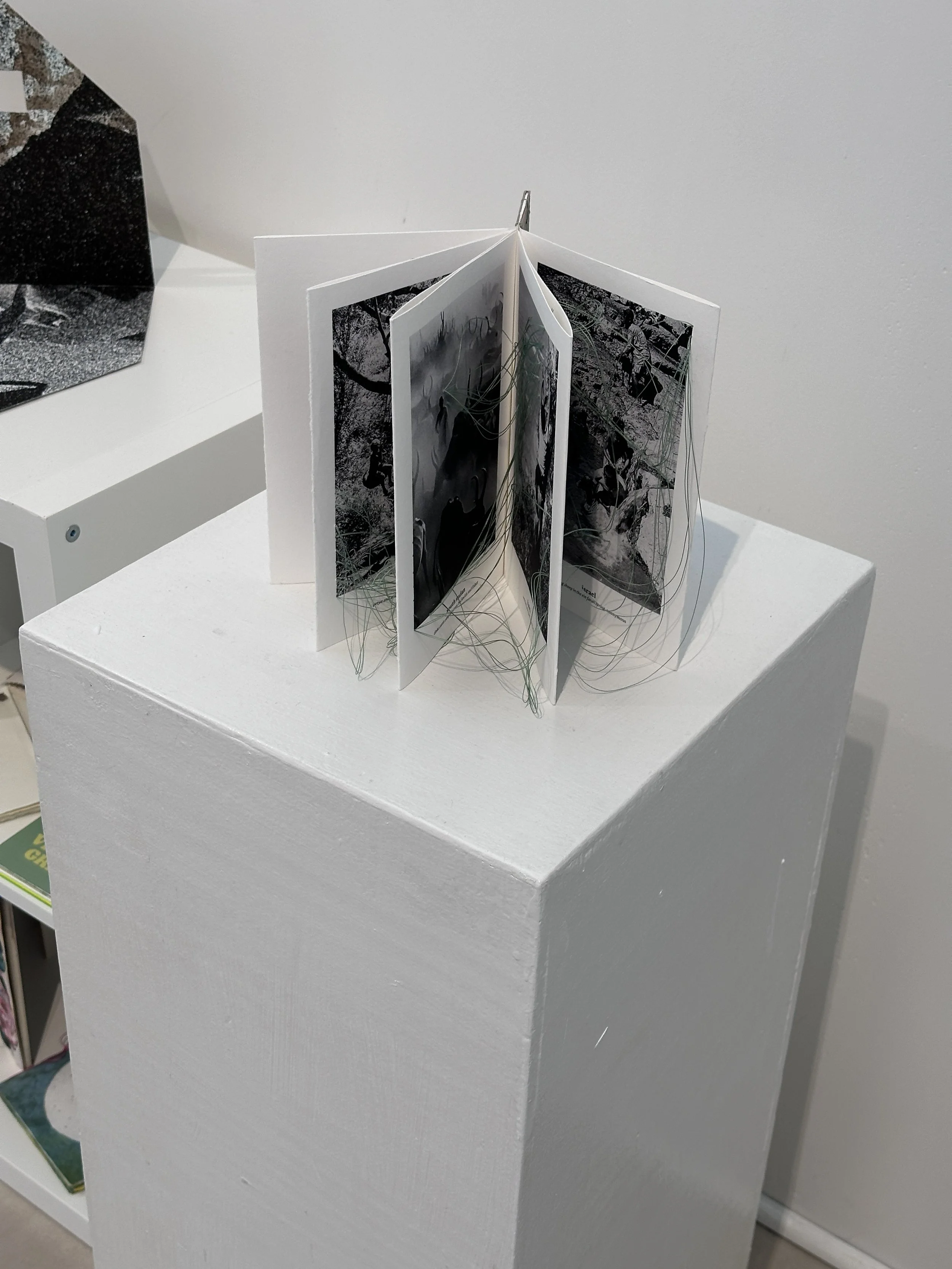
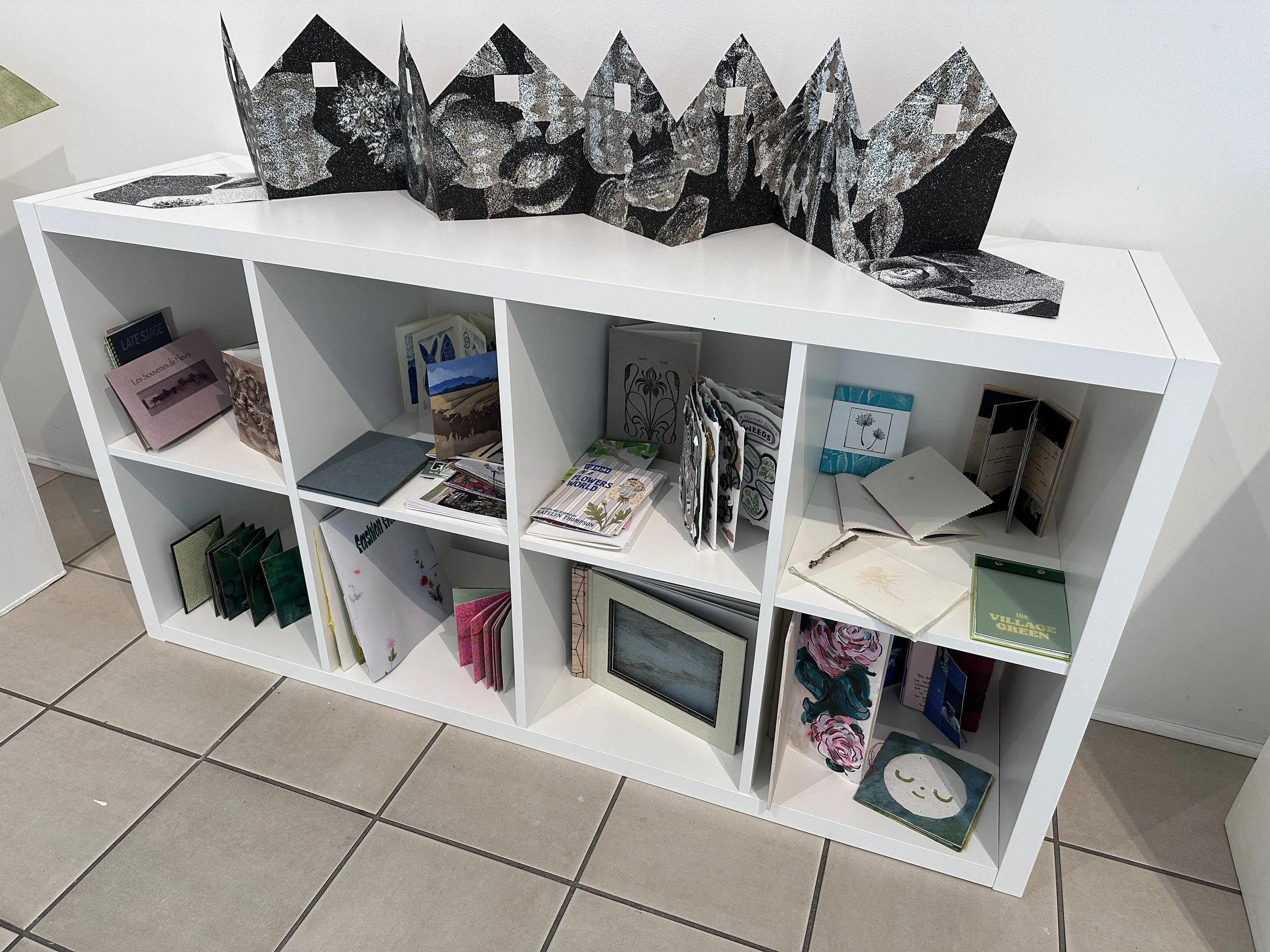
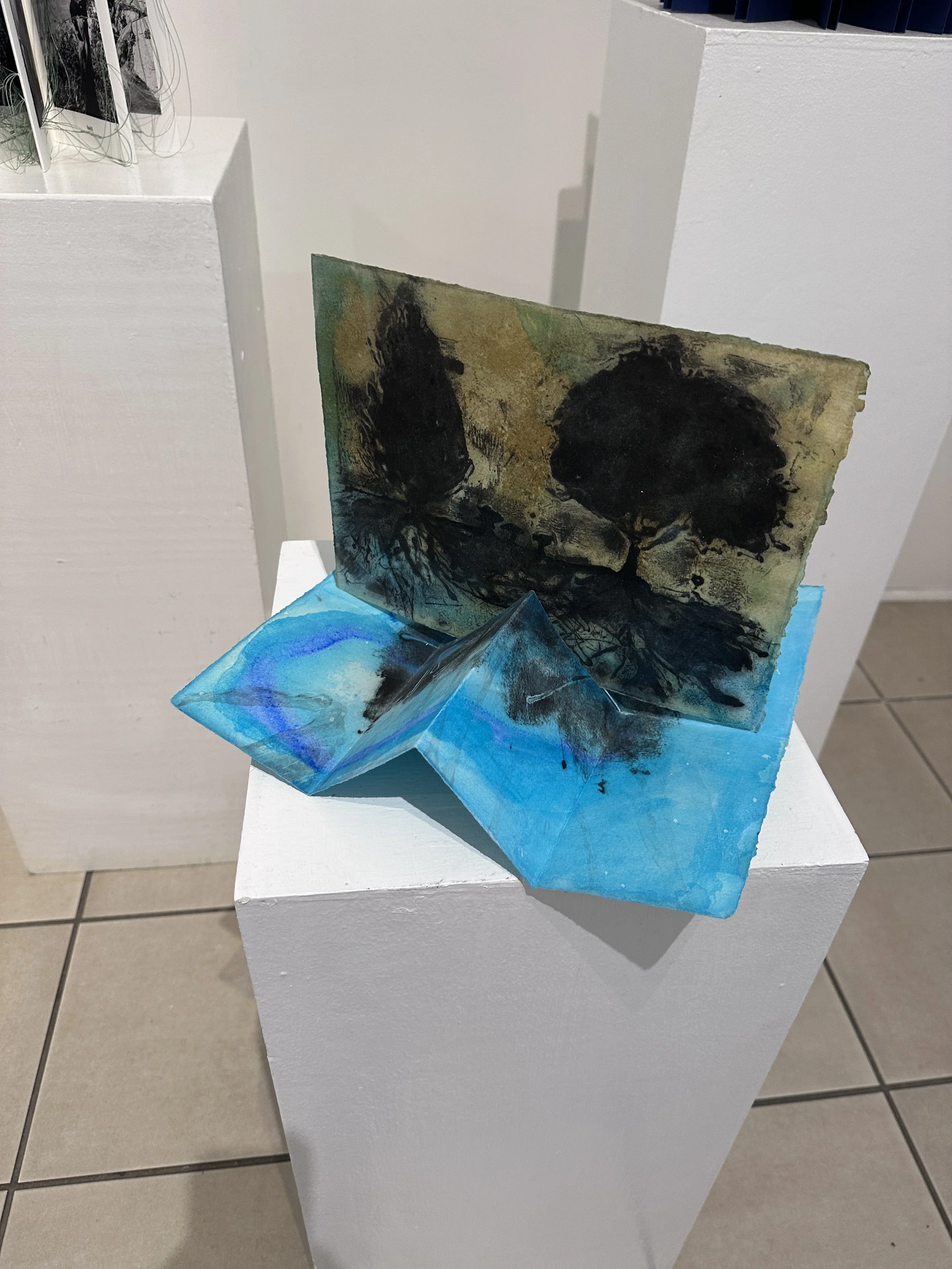
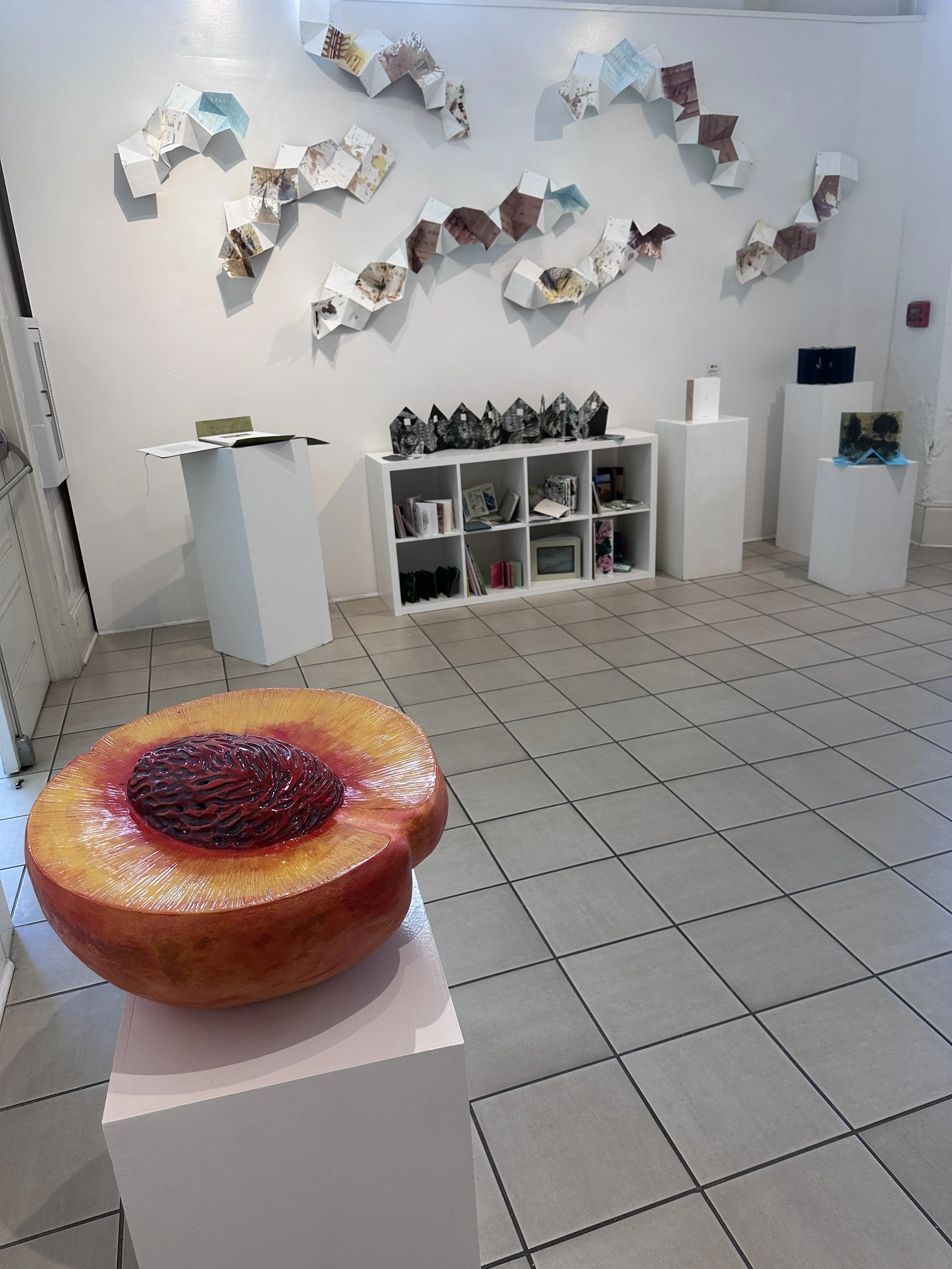
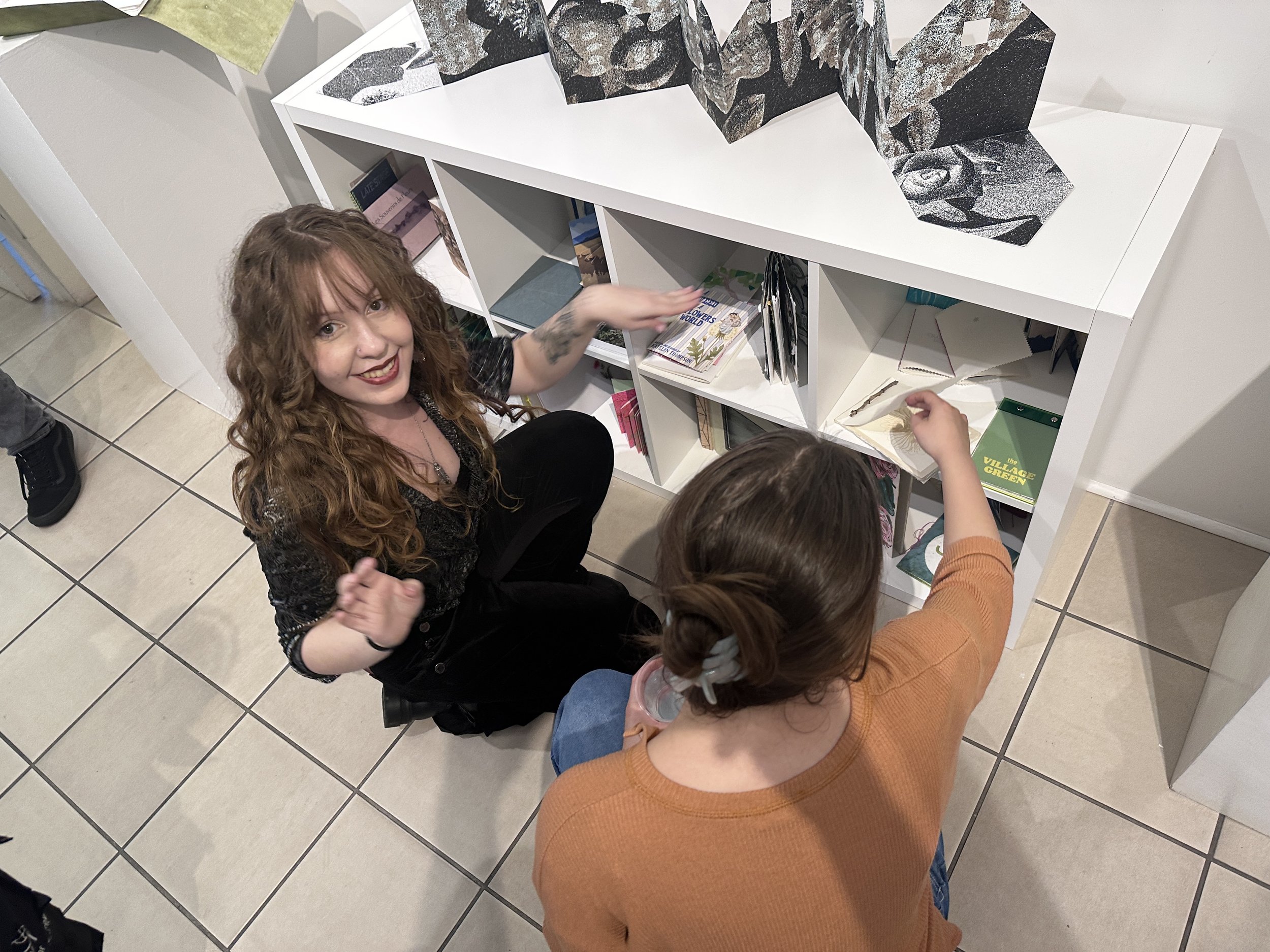
Book structures and three-dimensional objects were integrated into the installation as portable archives. In contrast to the expansive wall works, these objects compress time into sequences of pages and forms—indexes, fragments, and accumulations that can be held, opened, and reordered—echoing scientific field notebooks and archaeological collections.
Community participation formed the foundation of the installation. Contributions from residents of the greater Statesboro area were woven directly into the work, making the final piece a record of shared experience and local knowledge. Over time, the installation came to resemble a metaphorical seed bank or living archive—evoking greenhouses, arboretums, and informal gardens—where each story, plant specimen, and gesture of color became part of a collective act of cultivation and care for the region’s biodiversity.
More than two hundred people participated directly in the development of the installation.